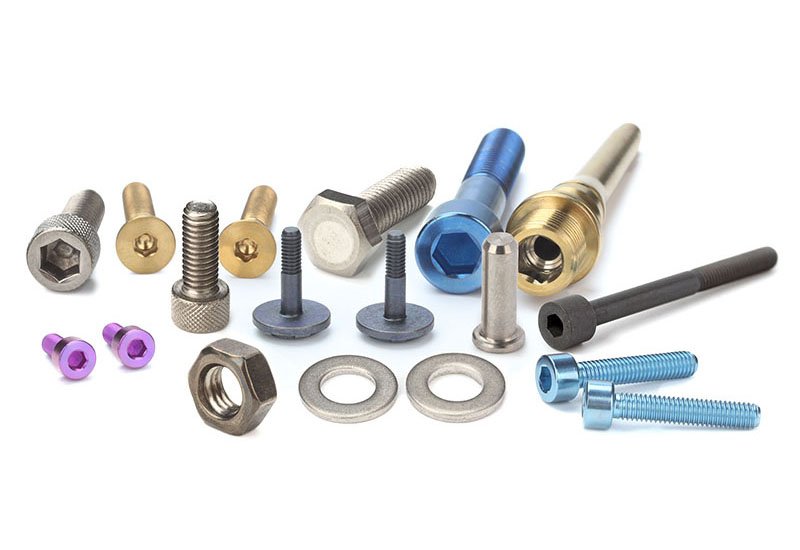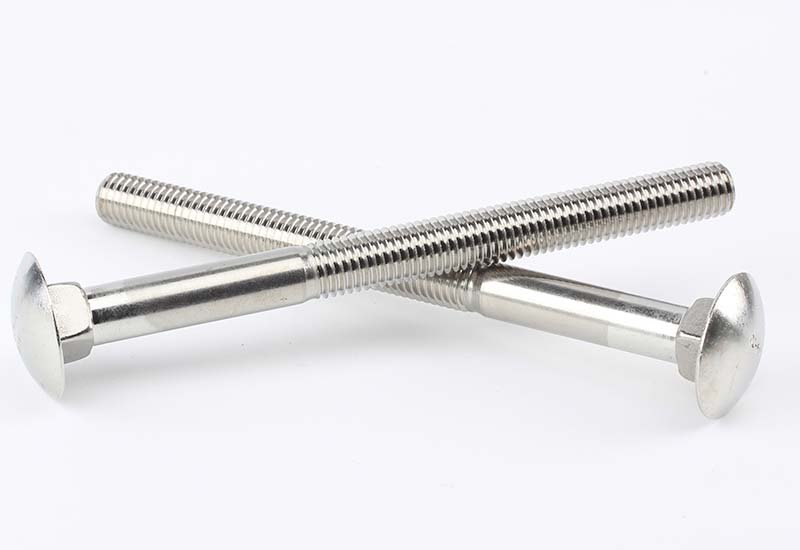
Zirconia Screws: A Reliable Fastening Solution for High-Performance Industries
Zirconia Screws are becoming a preferred choice in industries that demand clean, stable, and non-metal fastening solutions. Compared with conventional metal fasteners, zirconia ceramic screws offer a unique balance of corrosion resistance, electrical insulation, dimensional stability, and long-term performance in demanding service conditions. For buyers working in semiconductor equipment, chemical processing, laboratory systems, electronics, medical devices, and precision machinery, choosing the right fastening material can directly affect product reliability, maintenance frequency, and operating safety.
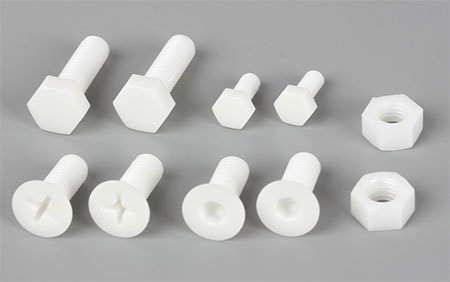
In many applications, standard steel or stainless steel fasteners may face problems such as corrosion, conductivity, magnetic interference, or contamination. This is where zirconia ceramic screws stand out. They are designed for environments where purity, insulation, and resistance to aggressive media matter more than simple low-cost fastening. As the market continues to search for ceramic screws, non-conductive fasteners, and corrosion resistant screws, zirconia has gained more attention for its advanced material properties and practical industrial value.
Why Zirconia Screws Are Gaining Attention
Zirconia is an advanced engineering ceramic known for its high strength among ceramic materials, good wear resistance, and excellent chemical stability. When manufactured into precision fasteners, zirconia ceramic screws can perform where many metal fasteners struggle. They do not rust, they help reduce electrical conductivity issues, and they can support clean assembly requirements in specialized equipment.
Another important benefit is consistency. In applications where even minor contamination can create major operational problems, ceramic screws are often selected to support cleaner production systems. This is especially relevant in high-tech industries where component purity and process control are essential. Buyers searching for ceramic screws for semiconductor equipment or non-metal screws for electronics often focus on zirconia because it offers a more premium performance profile than many standard alternatives.
Zirconia Screws for Corrosion Resistance and Electrical Insulation
One of the biggest reasons engineers choose zirconia screws is their ability to handle corrosive or sensitive environments. In wet, chemical, or salt-prone conditions, metal fasteners may gradually degrade, seize, or stain surrounding components. Zirconia ceramic screws, by contrast, are valued for their corrosion resistance and chemical durability. This makes them suitable for chemical equipment, fluid handling systems, analytical instruments, and specialized industrial assemblies.
Electrical insulation is another major advantage. In systems where conductivity must be avoided, non-conductive fasteners help improve safety and reduce design limitations. Zirconia screws are often considered for power electronics, electrical insulation structures, testing equipment, and high-voltage applications where metal hardware may introduce unnecessary risk. This is one reason search phrases such as non-conductive fasteners, ceramic fasteners, and zirconia ceramic screws continue to appear in product-focused searches.
Where Zirconia Ceramic Screws Are Commonly Used
Zirconia ceramic screws are not general-purpose fasteners for every assembly. Instead, they are best suited for specialized environments where their material advantages justify the investment. Common application areas include semiconductor equipment, laboratory instruments, chemical processing systems, medical and dental equipment, power electronics, automation systems, vacuum environments, and high-purity production lines.
In semiconductor and electronics manufacturing, ceramic screws are often selected because they help support insulation requirements and cleaner process conditions. In chemical systems, corrosion resistant screws help maintain performance where metal fasteners may suffer from exposure to harsh media. In precision machinery, zirconia screws can also be used where dimensional stability and wear resistance are important. For customers comparing ceramic screws vs metal screws, the decision usually depends on service environment rather than simple purchase price.
For international buyers, it is also common to search for related terms such as zirconia bolts, ceramic bolts and nuts, zirconia fasteners, and high temperature fasteners. These related keywords reflect real sourcing behavior and can help buyers identify the right configuration for their projects.
How Zirconia Screws Compare with Traditional Metal Fasteners
Metal fasteners remain the standard choice for many industrial assemblies because they are strong, familiar, and widely available. However, metal is not always the best answer. Stainless steel may resist rust, but it is still conductive. Carbon steel may be cost-effective, but it can corrode quickly without proper protection. Even specialty alloys may not solve contamination or insulation concerns in sensitive systems.
Zirconia screws offer a different value proposition. They are ideal when the priority is not only fastening force, but also chemical resistance, electrical insulation, non-magnetic behavior, and reliability in specialized operating conditions. For example, in a system exposed to corrosive media and electrical sensitivity at the same time, a zirconia ceramic screw may provide a better overall solution than a coated metal fastener.
That said, correct application matters. Ceramic screws should be selected with proper design consideration, installation torque control, and matching components. They are high-performance fasteners, but like any engineered material, they perform best when used within suitable design parameters.
What Buyers Should Check Before Ordering Zirconia Screws
When sourcing zirconia screws, buyers should look beyond material name alone. The real value comes from manufacturing precision, dimensional tolerance, thread accuracy, surface quality, and application guidance. Important considerations include screw type, thread standard, head style, diameter, length, working environment, and whether matching ceramic nuts or washers are needed.
It is also helpful to confirm whether the supplier supports custom drawings or non-standard parts. Many industrial projects require more than off-the-shelf products. In these situations, a reliable supplier should be able to discuss application details, recommend suitable fastener geometry, and help optimize the balance between strength, insulation, and assembly practicality.
At Flybear Fastener, we understand that industrial buyers are not simply looking for a screw. They are looking for a fastening solution that matches real operating conditions. Whether the need is for zirconia ceramic screws, ceramic screws for electronics, or corrosion resistant screws for specialized equipment, the right support starts with understanding the application first and then recommending the proper product.
Choosing the Right Supplier for Zirconia Screws
A dependable supplier should offer more than basic quotations. Buyers need clear communication, stable quality, and confidence that the material is suitable for the target application. This is especially true for zirconia screws, where performance expectations are usually higher than for conventional fasteners. Product consistency, professional support, and customization capability all matter.
If your project requires non-conductive fasteners, high temperature fasteners, or ceramic screws for corrosive environments, zirconia is a material worth serious consideration. It helps solve problems that metals often cannot solve effectively, especially in advanced industrial and technical applications. As demand grows for durable, clean, and specialized fastening systems, zirconia screws continue to stand out as a smart solution for modern engineering.
For buyers seeking long-term value rather than short-term compromise, zirconia ceramic screws represent a practical upgrade in the right environment. The key is selecting the correct specification, working with an experienced supplier, and matching the fastener to the real demands of the application. Done correctly, zirconia screws can improve reliability, reduce maintenance issues, and support better performance across a wide range of precision industries.
Follow Me!