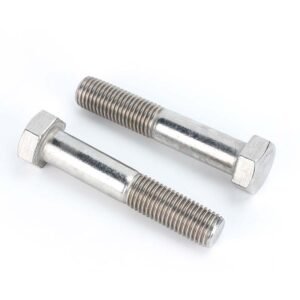
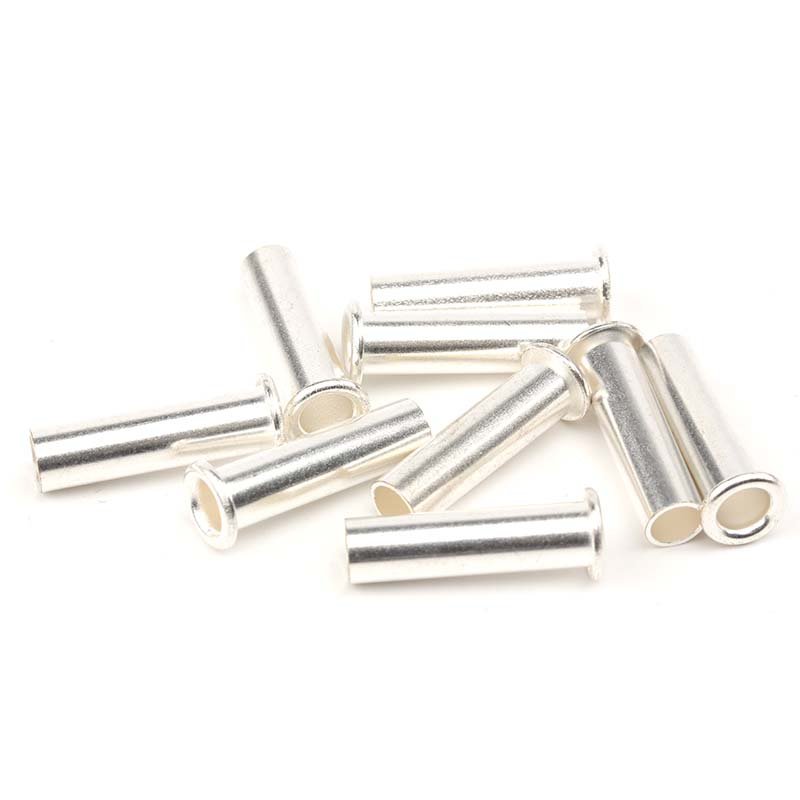
Surface Finishing for Fasteners: Silver Plating on Carbon Steel
Silver Plating: A High-Performance Surface Treatment for Carbon Steel Fasteners
Silver plating is a widely used surface treatment process in the fastener industry, particularly for carbon steel fasteners, offering superior conductivity, corrosion resistance, and aesthetics. As industries demand higher performance and durability from fasteners, silver plating is becoming increasingly popular due to its unique advantages.
Overview of Silver Plating Surface Treatment
Definition
Silver plating refers to the electrochemical process of depositing a layer of silver on the surface of a fastener, which in this case is typically made of carbon steel. This process involves an electrolytic reaction where silver ions are reduced and form a uniform metallic coating on the part’s surface.
Technical Background
Historically, silver plating has been used in high-end electronic components and aerospace fasteners due to silver’s excellent conductivity and corrosion resistance. Over time, as the cost of plating has decreased, its use has expanded in the commercial, automotive, and mechanical sectors. Silver plating’s compatibility with carbon steel substrates has made it a favorable option where both strength and corrosion resistance are crucial.
Common Uses and Application Scope
| Fastener Types | Common Applications |
|---|---|
| Bolts | Aerospace, Automotive, Military Systems |
| Nuts | Power Transmission Equipment |
| Screws | Electronic Devices, Medical Instruments |
| Self-tapping Screws | Telecommunications Hardware |
| Washers & Pins | High-frequency Electrical Assemblies |
Silver-plated fasteners are often selected for the following sectors:
- Aerospace: High-temperature environments and anti-galling needs.
- Electronics: Superior conductivity for signal transmission.
- Automotive: Engine components exposed to high heat.
- Telecommunications: RF shielding and grounding.
- Energy & Power Distribution: Circuit breaker assemblies.
Key Performance Characteristics of Silver-Plated Fasteners
| Feature | Description |
|---|---|
| Corrosion Resistance | Excellent protection against oxidation and tarnish, performs well in moist or chemically aggressive environments. |
| Aesthetic Appearance | Bright, shiny metallic finish with uniform coating. Silver color adds premium visual quality. |
| Surface Hardness | Moderate hardness, silver is soft by nature but can offer good wear over electrical contact areas. |
| Electrical Conductivity | Outstanding conductivity, making it ideal for low-resistance applications. |
| Thermal Conductivity | Effectively manages heat dissipation in high-temp applications. |
Silver Plating Process on Carbon Steel Fasteners
Preparation Stages
- Degreasing – Removal of oils and residues.
- Mechanical or chemical cleaning – Rust and scale are eliminated.
- Rinsing – Further cleaning with deionized water.
Plating Process
- Pre-treatment with undercoating (nickel or copper) to improve adhesion.
- Electroplating – Immersion in silver plating solution and application of current.
- Thickness control via bath time and current density.
Post-treatment
- Passivation or Anti-tarnish coatings to maintain luster.
- Drying and inspection for uniformity and defects.
Advantages and Limitations of Silver Plating
Advantages
- Enhanced anti-corrosion performance in challenging environments.
- Offers the highest level of electrical and thermal conductivity among metals.
- Lubricity improves assembly torque/tension consistency.
- Anti-galling properties reduce wear in mating parts under pressure.
Disadvantages
- Higher cost compared to zinc or other common coatings.
- Potential solderability issues if not handled with post-treatment.
- Susceptible to tarnish unless treated with anti-tarnish agents.
- Not suitable for decorative use if long-term luster is desired without maintenance.
Comparative Analysis: Silver Plating vs. Zinc Electroplating
| Feature | Silver Plating | Zinc Plating |
|---|---|---|
| Cost | Higher | Lower |
| Electrical Conductivity | Excellent | Poor |
| Corrosion Resistance | Superior for specialized applications | Suitable for general-purpose use |
| Substrate Compatibility | Excellent with carbon steel | Excellent with all steel types |
| Aesthetic | Premium silver finish | Grey/Silver Matte |
Typical Standards and Certifications
- ASTM B700 – Standard Specification for Electrodeposited Silver Coatings
- ISO 4521 – Metallic Coatings for Engineering Purposes
- ANSI/NCSL Z540 – Measurement standards for electrodeposition thickness
- RoHS Compliance – Lead and cadmium-free formulations
Environmental and Safety Factors
Modern silver plating processes have significantly reduced the use of toxic substances such as cyanide. Many silver plating lines are now RoHS compliant. However, proper handling and waste treatment remain crucial to avoid environmental contamination.
Cost and Return on Investment
Though more expensive than other treatments, silver plating’s benefits in conductivity and high-temperature performance provide exceptional long-term value. Fasteners like silver-plated carbon steel nuts in power transmission devices often outlast untreated or zinc variants, reducing maintenance costs.
Conclusion and Business Promotion
At Flybear Fastener, we understand the engineering precision required in choosing the right surface treatment. Silver plating on carbon steel fasteners offers unparalleled performance benefits across high-stakes industries like aerospace, energy, and electronics.
We always adhere to the principle of “Quality First, Customer Supreme”, striving to deliver high-quality fastener products and one-stop fastening solutions designed for your specific industry needs. Whether you’re sourcing silver-plated bolts or assessing long-term corrosion resistance for your project, don’t hesitate to contact us for reliable industry insight and competitive quotations. Explore our product range and find the best-fit technology tailored for your application.
Follow Me!