304 vs 316 Stainless Fasteners (A2 vs A4): Which One to Choose for Coastal and Salt Spray Environments?
304 vs 316 stainless fasteners is one of the most searched comparisons in the fastener industry because “stainless” does not mean “rust-proof in every environment.” If your screws, bolts, or nuts will be used near the ocean, on outdoor equipment, or in salt spray conditions, the choice between 304 (often sold as A2) and 316 (often sold as A4) can determine whether the joint stays clean for years or starts showing brown staining and pitting much sooner.
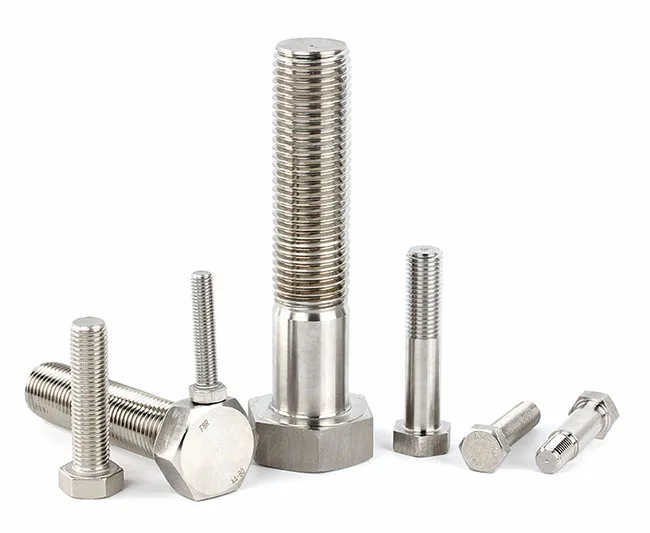
People commonly search for “A2 vs A4 stainless,” “304 vs 316 corrosion resistance,” “best stainless screws for coastal use,” “marine grade stainless fasteners,” and “salt spray stainless steel screws.” This guide explains what A2/A4 really mean, why coastal environments are special, and how to choose the right grade for your project without overspending.
What Do 304/316 and A2/A4 Mean?
In many markets, 304 stainless is the most common general-purpose stainless steel for fasteners. It is often referenced as A2 in stainless fastener classifications. 316 stainless is frequently called “marine grade” due to better resistance in chloride-rich environments, and it is often referenced as A4.
Buyers also see strength class markings like A2-70 or A4-80. The “70/80” refers to a strength class system for stainless fasteners, while A2/A4 refers to corrosion resistance chemistry. In other words, you must choose both the corrosion grade (A2 or A4) and the strength class (70, 80, etc.) based on your application.
Why Coastal and Salt Spray Environments Are Tough on Stainless
Coastal air, sea mist, and salt spray introduce chlorides, which can attack the protective passive film on stainless steel. This often leads to:
- Tea staining: brown surface staining that may look like rust.
- Pitting corrosion: localized “pinpoint” attack that can become permanent damage.
- Crevice corrosion: accelerated corrosion under washers, inside threads, and in joints that trap moisture.
These problems show up even when the fastener is correctly labeled “stainless.” That is why searches like “stainless screws rust near ocean” and “salt air corrosion stainless bolts” remain popular. The environment and joint design matter as much as the grade.
A2 vs A4 Stainless: The Real Difference for Corrosion
A2 vs A4 stainless is essentially a decision about how much chloride resistance you need.
- 304 / A2: excellent for indoor use and mild outdoor environments. It performs well in many industrial and consumer applications where chlorides are low.
- 316 / A4: improved resistance in chloride exposure, often chosen for coastal areas, marine equipment, and outdoor hardware exposed to de-icing salt or washdown conditions.
In practice, A4 is typically the safer choice when salt is present. However, no stainless is immune in all conditions. Severe splash zones, constant wetting, trapped crevices, or harsh industrial marine atmospheres can still cause pitting even in 316.
304 vs 316 Stainless Fasteners: When 304 (A2) Is Enough
304 vs 316 stainless fasteners does not always mean “316 is mandatory.” Choose 304/A2 when:
- The environment is indoor or dry outdoor with low salt exposure.
- The product is not in a coastal zone, or it is far enough inland that chloride deposition is minimal.
- You can control drainage and avoid moisture traps around the joint.
- Cost sensitivity is high and the corrosion risk is moderate.
Typical applications include indoor machinery, general enclosures, consumer products used away from coastal spray, and many building interior installations. Searches like “304 stainless screws outdoor ok?” often relate to these moderate-use cases.
When to Use 316 (A4) for Coastal or Salt Spray Conditions
If your hardware will face salt, it is hard to beat 316/A4 for a practical and widely accepted solution. Choose 316/A4 when:
- The installation is near the ocean, especially where sea mist can reach the assembly.
- Fasteners are exposed to salt spray, de-icing salt, or frequent washdown.
- The joint includes washers, gaskets, or overlaps that can create crevices.
- A clean appearance matters and you want to reduce tea staining risk.
This is why “marine grade stainless fasteners” is often used as shorthand for 316. For many customers, specifying A4 stainless screws and bolts is the most straightforward way to improve durability in chloride environments.
Design and Installation Tips That Matter More Than You Think
Even the best stainless grade can underperform if the joint traps salt water. To reduce corrosion risk in coastal installations:
- Reduce crevices: avoid designs where water sits under washers or inside overlaps.
- Ensure drainage: allow water to run off instead of pooling around the fastener.
- Keep surfaces clean: salt deposits can concentrate in dry/wet cycles and accelerate pitting.
- Avoid contamination: carbon steel particles on stainless surfaces can create brown staining that looks like rust.
- Consider anti-seize where appropriate: stainless-on-stainless can gall; the assembly method should match the application.
Many users search “stainless bolt galling” and “anti seize for stainless fasteners” when moving to A4 hardware, because higher corrosion resistance does not automatically solve assembly friction and galling risks.
How to Specify Correctly: Don’t Forget Strength Class
When buying stainless fasteners, the strength class matters, especially for structural or high-load joints. For example:
- A2-70: common general choice for 304 stainless fasteners.
- A4-80: stronger option often selected for 316 stainless fasteners in demanding applications.
When your customer asks “304/316 which one for salt spray,” the best answer is often “A4 with the appropriate strength class for your load.” This is more accurate than selecting only by corrosion grade.
How Flybear Fastener Helps Customers Choose A2 vs A4
Choosing between 304/A2 and 316/A4 should be based on chloride exposure, joint design, and performance expectations—not just the word “stainless.” At Flybear Fastener, we help buyers select the right stainless grade and strength class for real service conditions, including coastal installations and salt spray risk. If you share your environment details (distance to coast, wet/dry cycles, washdown, and crevice-prone joint design), we can recommend the most cost-effective stainless fastener specification for long-term reliability.
Conclusion
304 vs 316 stainless fasteners is ultimately a chloride exposure decision. For mild environments, 304/A2 is often sufficient and cost-effective. For coastal and salt spray conditions, 316/A4 is usually the safer choice because it provides better resistance to tea staining and pitting. Combine the right grade with the correct strength class, good joint design, and clean installation practices to maximize service life in marine and outdoor applications.
Follow Me!