How to Choose Fasteners for High-Temperature Environments: Key Considerations and Material Selection
High-temperature fasteners are critical components in industries where machinery and equipment are exposed to extreme heat. Choosing the right fastener material is essential to ensure the safety, durability, and longevity of products in such harsh environments. If you use the wrong fasteners, they could weaken, degrade, or even fail under temperature stress, leading to costly repairs, shutdowns, or accidents. This article will explore the key factors that influence the selection of fasteners for high-temperature environments and guide you through choosing the right materials and coatings for optimal performance.
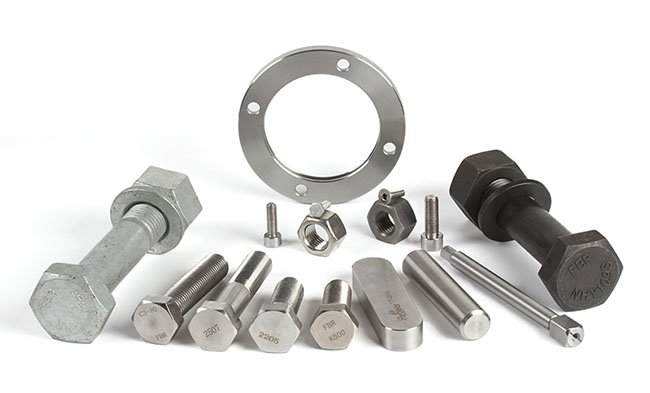
Common Google searches related to this topic include “fasteners for high-temperature applications,” “high-temperature resistant fasteners,” “best fasteners for heat-resistant environments,” and “materials for high-temperature fasteners.” This guide will cover the most commonly used fastener materials, their properties, and their applications in industries like aerospace, automotive, energy, and manufacturing.
Why Temperature Matters in Fastener Selection
Fasteners are subject to various stresses, and temperature is one of the most critical factors. High temperatures can cause a fastener to lose its mechanical properties, such as tensile strength, ductility, and hardness. This can lead to deformation, loosening, or failure, especially if the fastener is exposed to fluctuating or sustained high temperatures. Fasteners used in high-temperature environments must be able to withstand thermal expansion and contraction, resist oxidation, and maintain their integrity even under prolonged exposure to heat.
Key Considerations When Choosing Fasteners for High-Temperature Environments
When selecting fasteners for high-temperature environments, several key factors must be taken into account to ensure their reliability and performance:
- Temperature range: Different fasteners are rated to withstand different temperature ranges. Be sure to select fasteners that can handle the peak temperatures in your application.
- Material properties: The material of the fastener will determine its resistance to heat, oxidation, and corrosion. Common high-temperature fastener materials include stainless steel, titanium, and special alloys like Inconel.
- Thermal expansion: High-temperature fasteners must account for the expansion and contraction of materials. The coefficient of thermal expansion (CTE) should be compatible with the surrounding materials to prevent stresses on the fastener.
- Oxidation resistance: Fasteners exposed to high heat are prone to oxidation, which can weaken the material over time. Choosing a corrosion-resistant material or coating can extend the life of the fastener.
- Vibration resistance: Many high-temperature applications also involve vibrations. In such cases, fasteners with locking mechanisms or coatings to prevent loosening are essential.
Materials for High-Temperature Fasteners
Various materials are used for fasteners in high-temperature environments. Each material has its advantages and is suited for specific temperature ranges and applications. Here are the most commonly used materials:
1) Stainless Steel
Stainless steel is one of the most commonly used materials for high-temperature fasteners due to its corrosion resistance, high strength, and ability to withstand moderate to high temperatures. The two most common grades used in high-temperature applications are:
- 304 Stainless Steel (A2): This is a widely used alloy for general high-temperature environments. It can withstand temperatures up to 870°C (1600°F) and is commonly used in the food industry, aerospace, and manufacturing.
- 316 Stainless Steel (A4): With higher corrosion resistance and better performance at elevated temperatures, 316 stainless steel is ideal for more extreme high-temperature applications, including marine environments and chemical industries.
2) Titanium
Titanium is often used for applications requiring a combination of high strength, lightweight, and high-temperature resistance. Titanium fasteners are ideal for use in environments with temperatures up to 600°C (1100°F). They are commonly used in the aerospace industry due to their ability to resist corrosion and oxidation, even at elevated temperatures.
3) Nickel Alloys (Inconel)
Nickel alloys, particularly Inconel, are known for their exceptional high-temperature strength and resistance to oxidation and corrosion. Inconel fasteners can withstand extreme temperatures (up to 1100°C / 2000°F) and are often used in high-performance engines, gas turbines, and other applications where both heat and stress are extreme.
4) Hastelloy
Hastelloy is another high-performance alloy that offers excellent resistance to high-temperature oxidation and corrosion. It is used in highly aggressive environments, such as chemical processing and power generation industries. Hastelloy can withstand temperatures of up to 1300°C (2370°F), making it ideal for high-temperature, high-pressure applications.
Coatings for High-Temperature Fasteners
While material selection is crucial, coatings can also play an important role in protecting fasteners from high temperatures and corrosion. Some common coatings for high-temperature fasteners include:
- Hot-Dip Galvanizing: Provides excellent corrosion resistance and is ideal for outdoor applications exposed to high temperatures and moisture.
- Black Oxide Coating: Often used for aesthetic purposes, black oxide provides mild corrosion resistance at elevated temperatures but may need to be paired with other coatings for more extreme conditions.
- Thermal Spraying: Thermal spray coatings, such as aluminum and zinc, can provide additional protection against high-temperature oxidation.
- Ceramic Coatings: Ceramic coatings offer excellent heat resistance and are commonly used in high-performance automotive and aerospace applications.
Choosing the Right Fastener for Your High-Temperature Application
When choosing fasteners for high-temperature environments, it is important to consider not only the material but also the specific environmental conditions. Factors like exposure to chemicals, vibrations, and mechanical stress must all be considered to ensure the fastener will perform optimally throughout the service life.
For example, for applications in highly corrosive environments such as chemical plants, Hastelloy or Inconel fasteners may be necessary. However, for less demanding applications, stainless steel or titanium may suffice, offering a balance between performance and cost.
High-Temperature Fasteners from Flybear Fastener
At Flybear Fastener, we specialize in providing high-quality fasteners for high-temperature applications. Our products are made from top-grade materials such as stainless steel, titanium, and nickel alloys to meet the demanding needs of industries such as aerospace, automotive, power generation, and manufacturing. Contact us today to learn more about our high-temperature fastener solutions and how we can help you select the best fasteners for your specific application.
Conclusion
Choosing the right fastener for high-temperature environments is crucial for ensuring the safety and longevity of your equipment. Materials like stainless steel, titanium, and nickel alloys offer excellent resistance to heat and corrosion, while coatings can provide additional protection. By understanding the temperature range, environmental factors, and application requirements, you can select the best fasteners to withstand even the harshest conditions. At Flybear Fastener, we provide reliable, high-performance fasteners to meet your needs in extreme environments.
Follow Me!