Parallel Keys: Applications and Benefits for Your Projects
Parallel keys are critical components used for securing shafts, gears, and other rotating parts together. These keys are designed to fit into a keyway, a groove cut into a shaft or hub, and ensure the connection between two parts, preventing them from slipping or rotating independently. Parallel keys are ideal for transmitting torque between two components in machinery, making them essential in various industries such as automotive, aerospace, and manufacturing. Understanding the applications, types, and benefits of parallel keys can help you make the right choice for your fastening needs.
Common Google searches related to this topic include “parallel key applications,” “advantages of parallel keys,” “types of parallel keys,” and “how to choose the right parallel key.” By the end of this article, you will have a clearer understanding of the different types of parallel keys, how to choose them, and why they are used in so many critical applications.
What is a Parallel Key?
Parallel keys are a type of mechanical fastener used to secure rotating parts, such as gears and pulleys, to a shaft. The key fits into a keyway (a groove or slot) on both the shaft and the hub, preventing them from slipping or rotating independently. The flat surface of the parallel key fits flush against the keyway, providing a strong and reliable connection.
Parallel keys are made from durable materials, typically steel or stainless steel, and are available in various sizes to suit different applications. These keys are widely used in industries where torque transmission and secure connections are critical for machine performance.
Types of Parallel Keys
There are different types of parallel keys available, each designed for specific applications and mechanical requirements. The most common types include:
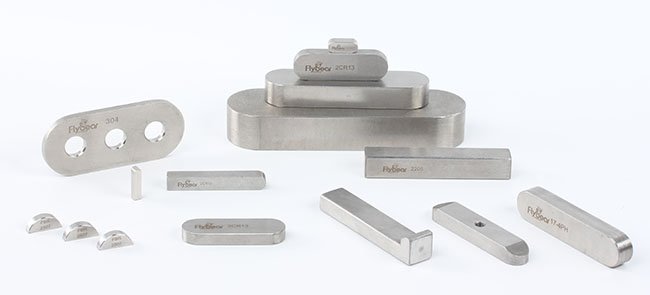
- Standard Parallel Keys: These are the most commonly used type of parallel key, featuring a rectangular shape. They are used in general machinery applications where moderate torque and load-bearing capabilities are required.
- Heavy-Duty Parallel Keys: Designed for more demanding applications, these keys are typically larger and stronger. They are used in machinery where high torque or heavy-duty loads are involved, such as in automotive and industrial equipment.
- Tapered Parallel Keys: Tapered keys feature a slight angle, which helps improve the strength of the connection. They are often used in applications where vibration resistance is important or when components are subjected to dynamic forces.
- Coated Parallel Keys: For applications in corrosive environments, parallel keys can be coated with materials like zinc, nickel, or other corrosion-resistant coatings. These coatings ensure the longevity of the key in harsh environments such as marine or chemical applications.
Applications of Parallel Keys
Parallel keys are used in a wide range of industries and applications due to their versatility and effectiveness in transmitting torque. Some common uses include:
- Automotive: Parallel keys are essential in automotive systems for securing components such as gears, pulleys, and shafts. They are used to ensure reliable torque transmission in engines, transmissions, and drive shafts.
- Industrial Machinery: In industrial machinery, parallel keys are used to connect various moving parts like motors, gears, and shafts. They ensure that components work together smoothly and efficiently, preventing unwanted slipping or failure.
- Aerospace: The aerospace industry relies on parallel keys for securing components in aircraft engines, landing gears, and other critical systems. These keys must meet high standards of precision and reliability to ensure safety and performance in aviation applications.
- Energy and Power Generation: In power plants and other energy-generation systems, parallel keys are used to secure turbines, compressors, and other rotating equipment. The high-performance requirements of these applications make parallel keys an essential part of machinery safety and functionality.
- Construction: Parallel keys are used in construction machinery, such as cranes and excavators, to securely connect shafts, pulleys, and other mechanical components. Their ability to handle heavy loads and torque makes them ideal for these applications.
Benefits of Parallel Keys
There are several reasons why parallel keys are a preferred choice for many mechanical applications:
- High Strength: Parallel keys are made from strong materials like steel or stainless steel, ensuring they can withstand high torque and mechanical stress without failing.
- Reliable Torque Transmission: The key fits securely into the keyway, providing reliable and efficient torque transmission between components, ensuring smooth and consistent operation.
- Versatility: Parallel keys can be used in a variety of applications across industries, including automotive, aerospace, manufacturing, and power generation, making them a versatile choice for many fastening needs.
- Easy Installation: Parallel keys are easy to install and remove, making them ideal for applications where frequent maintenance or replacement is required. Their straightforward design ensures a fast and simple assembly process.
- Corrosion Resistance: With coatings available for corrosion protection, parallel keys can be used in harsh environments, such as marine, chemical, and outdoor applications, without degrading over time.
How to Choose the Right Parallel Key for Your Project
When selecting a parallel key for your project, there are several factors to consider:
- Material: Choose a parallel key made from a material that matches the operating conditions. Steel is common for general applications, while stainless steel or alloy keys are ideal for corrosive or high-temperature environments.
- Size and Fit: Ensure that the key matches the keyway dimensions in the shaft and the component. The key should fit snugly into the keyway to ensure a strong and secure connection.
- Torque Requirements: For applications that require high torque, select a heavy-duty parallel key that can withstand the increased mechanical stress.
- Environmental Conditions: If the application involves exposure to chemicals, moisture, or extreme temperatures, ensure that the key is coated or made from corrosion-resistant materials to maintain durability.
Parallel Keys from Flybear Fastener
If you’re looking for high-quality parallel keys for your project, Flybear Fastener offers a wide range of options. Our parallel keys are manufactured to the highest standards of precision and strength, ensuring reliable performance in a variety of industries. Contact us today to learn more about our parallel key products and how we can help with your next project.
Conclusion
Parallel keys are essential components for ensuring secure connections between rotating parts in machinery. Their high strength, reliability, and versatility make them ideal for a wide range of applications across industries like automotive, aerospace, and manufacturing. By selecting the right parallel key, you can ensure smooth operation and long-lasting performance in your mechanical systems. At Flybear Fastener, we provide high-quality parallel keys designed to meet your specific needs. Reach out to us today for expert advice and top-notch fasteners.
Follow Me!