Why Phillips Screws Strip: Causes, Fixes, and When to Upgrade Fastener Grade
Phillips screw stripping is one of the most common fastening headaches in assembly lines, maintenance work, and DIY repairs. When a cross recess “cams out” (the driver slips upward and chews the recess), it wastes time, damages parts, and can even force rework or scrap. Many buyers immediately ask: “Do we need a higher grade screw?” Sometimes yes—but often the real root cause is the driving method, recess geometry, material choice, or surface treatment. This guide breaks down why Phillips screws strip, how to prevent it, and how to decide whether increasing fastener grade is the right move.
What “stripping” really means in cross recess screws
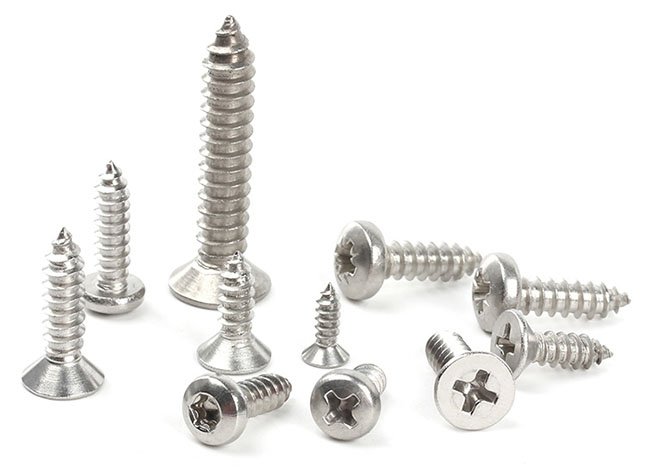
In practical terms, stripping happens when the driver tip loses engagement with the recess and rounds out the cross slots. With Phillips screws, the design intentionally allows some cam-out under high torque to reduce overtightening. That’s helpful for some applications, but it also makes Phillips more sensitive to tool selection, axial force, and torque control. If your process requires higher torque and repeatable installation, consider whether a different drive style (like Pozidriv, JIS, or Torx) is more appropriate.
Core reasons Phillips screws strip (most common in production)
In many cases, “bad screws” are blamed when the problem is a mismatch between the screw, the tool, and the installation method. Here are the highest-frequency causes:
- Wrong bit size or worn bit: A slightly incorrect driver (PH1 vs PH2) or a rounded bit tip reduces contact area and accelerates cam-out.
- Insufficient downward force: Phillips requires steady axial pressure. If the operator or driver system is not applying enough force, the bit climbs out.
- Too much torque / poor torque control: Using an impact driver, uncontrolled electric driver, or incorrect clutch setting can exceed the recess capacity.
- Misalignment (bit not centered): Even a small angle causes uneven contact and fast rounding.
- Low recess quality / inconsistent forming: Poor heading tooling or recess wear can create shallow, off-center, or burr-filled recesses.
- Plating build-up or debris: Thick zinc plating, paint, or dirt in the recess reduces engagement depth.
Does increasing fastener grade prevent stripping?
Sometimes—but not always. “Fastener grade” typically refers to the mechanical strength of the screw material (tensile strength and yield strength). A higher grade can reduce issues like head twist-off, shank failure, or thread stripping in the screw body. However, Phillips screw stripping is primarily a drive engagement problem, not a shank-strength problem. Upgrading from a lower grade carbon steel screw to a higher grade alloy steel screw may help if your issue is screw breakage or deformation under load, but it will not magically fix cam-out if the driver/torque/recess quality is the root cause.
A better decision rule is this:
- If the recess is failing first (rounded cross slots), focus on drive system, bit selection, recess quality, and possibly a different drive type.
- If the screw body is failing (thread stripping, shank stretching, head snapping), evaluate whether you need a higher grade screw and confirm the mating material’s strength.
Phillips screw stripping prevention checklist (quick wins)
Before changing the screw grade, most factories can reduce stripping dramatically with process improvements:
- Use the correct bit and replace it regularly (a fresh PH2 bit can outperform a premium screw paired with a worn bit).
- Apply consistent axial force with a proper driver setup, especially in automated or semi-automated assembly.
- Use a torque-limited screwdriver (clutch driver) and validate torque settings with calibration routines.
- Improve bit-to-recess fit by verifying recess depth and concentricity in incoming inspection.
- Consider thread lubrication or coating if installation torque is high due to friction; lower friction reduces the tendency to cam-out.
One proven upgrade: switch to Torx / Pozidriv (popular Google searches)
Many buyers search “Torx vs Phillips” or “best screws to prevent stripping” because the drive style is often the real answer. Torx provides larger contact area and better torque transfer with minimal cam-out. Pozidriv (often confused with Phillips) is designed for higher torque and improved engagement. If your application repeatedly requires high torque, the best ROI may be a drive change rather than a strength-grade change.
How to choose the right screw material, grade, and coating
Once you confirm the drive system is correct, evaluate whether your screw’s material and coating match the application:
- Carbon steel vs alloy steel: Alloy steel is typically better for high clamp loads and repeated tightening cycles.
- Stainless steel screws: Great for corrosion resistance, but some stainless grades can have lower hardness than alloy steel, increasing the chance of recess wear if torque is high.
- Zinc plated screws / black oxide: Coatings influence friction and corrosion resistance; they also affect recess fit if thickness is excessive.
- Heat treatment and hardness control: Too soft can deform the recess; too hard without toughness can risk brittleness in certain conditions.
Quality factors that directly affect Phillips screw stripping
Even within the same nominal specification, manufacturing quality matters. The following points strongly influence cam-out performance:
- Recess geometry accuracy: Proper punch tooling and maintenance ensure crisp edges and correct depth.
- Head forming consistency: Off-center recesses reduce contact and cause early stripping.
- Surface finish and plating control: Stable coating thickness prevents recess fill and maintains driver engagement.
- Lot traceability and inspection: Sampling cross recess dimensions and performing installation torque tests catch issues early.
When you truly should increase the grade
Upgrading the grade makes sense when your failure mode is mechanical overload of the screw body. Typical indicators include:
- Threads stripping in the screw or in the mating material under required clamp load
- Head twisting off or shank snapping before reaching target torque
- Joint loosening due to insufficient preload caused by yielding
In these cases, increasing the fastener grade (and confirming compatible nuts/threads and installation torque) can improve reliability. But if the cross recess is the first thing that fails, prioritize drive improvements or a different drive type first.
How Flybear Fastener supports better assembly results
At Flybear Fastener, we focus on supplying screws that install smoothly and consistently—not just “meeting a spec on paper.” For projects where Phillips screws are preferred, we help customers match recess quality, coating, and hardness control to real assembly torque. If your production line needs higher torque transfer, we can also recommend alternative drive styles and provide samples aligned with your process goals.
Conclusion
Phillips screws strip for several predictable reasons: wrong or worn bits, insufficient axial force, excessive torque, misalignment, and inconsistent recess quality. Increasing fastener grade can help when the screw body is failing, but it is not a universal fix for cam-out. Start by controlling your driver setup and recess fit, then evaluate whether a grade upgrade or a drive-style upgrade will deliver the biggest improvement in installation reliability.
Follow Me!