
Pump Flange Bolts Are Not Alignment Tools: A Piping Reconnection Checklist
Do not use pump flange bolts to pull misaligned piping into position. A pump flange bolt alignment problem calls for a review of pipe fit-up, support conditions and the applicable equipment requirements. Complete the approved reconnection checks, record pump-to-driver alignment at the specified stages, and resolve unexplained changes before equipment release. summitpump.com
This guide focuses on piping reconnection around separately driven centrifugal pumps. “Pump flange bolts” means the bolts or studs securing the pipe-to-pump flange connection; it does not identify a particular bolt-head design.
Before disturbing a connection, authorized personnel must complete the required isolation, depressurization and hazardous-energy controls under the site and equipment procedures. The following checklists support maintenance planning and documentation. They do not replace the approved assembly or restart procedure. pentair.com
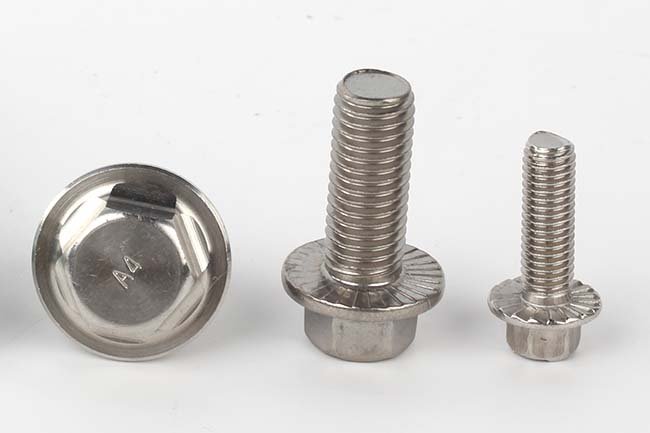
Understand What Needs to Be Aligned
A reconnection review should distinguish three related questions:
- Piping fit-up: Are the pipe flange and pump nozzle positioned for assembly within the applicable requirements?
- Pump-to-driver alignment: Are the pump and driver shafts aligned within the specified criteria?
- Nozzle loading: Are the forces and moments transmitted by the piping acceptable for the pump and operating conditions?
These questions require different evidence. Being able to insert the bolts does not, by itself, establish acceptable nozzle loading. A satisfactory coupling reading also does not document whether the pipe supports match the approved arrangement.
The Pentair Aurora 3500 Series / Model 3550 manual, issued in 2015, warns that forcing piping toward pump flanges can strain the casing and disturb pump-to-driver alignment. It also addresses independent piping support and monitoring movement during connection. Its numerical limits and installation sequence remain specific to that equipment. pentair.com
Normal gasket seating during an approved tightening procedure is different from using bolts to bend, lift or rotate misaligned piping into place. The ASME bolted-joint assembly course outline based on PCC-1–2022 identifies bolt load as an assembly objective and treats flanges, fasteners and gaskets as parts of joint reliability. Tightening therefore belongs to a defined joint-assembly plan.
A Reconnection Checklist Before Final Tightening
Use the following as a suggested work-package checklist. The responsible engineer should identify the mandatory hold points, acceptance criteria and approval responsibilities for the actual installation.
| Review item | What to confirm | Evidence to retain | Responsibility to identify |
|---|---|---|---|
| Equipment and document identity | The procedure and drawings apply to this pump, nozzle and piping arrangement. | Pump tag, model, nozzle identification, drawing revision and procedure reference. | Maintenance planner and equipment engineer. |
| Piping support | Installed supports and restraints match the approved arrangement and carry their intended loads. | Support references, inspection notes and photographs showing the configuration. | Piping or installation engineer. |
| Flange fit-up | Position, orientation and bolt-hole relationship meet the applicable requirements without using the bolts to force piping into place. | Required measurements, photographs and the source of the acceptance criteria. | Piping engineer, with equipment engineering where needed. |
| Alignment reference | The required pump-to-driver checks, measurement conditions and acceptance limits are defined. | Applicable alignment procedure and available baseline report. | Rotating-equipment engineer or designated alignment specialist. |
| Joint components | Bolts or studs, nuts, specified washers and gasket match the approved joint specification. | BOM, component identification, dimensions, finish and lubrication requirements. | Maintenance, procurement and quality personnel. |
| Changes since the previous installation | Any changed spool, support, equipment position or service condition has an appropriate disposition. | Change description, affected drawings and engineering review reference. | The engineer responsible for the affected system. |
Record each item as Accepted, Open, or Not Applicable, with a named reviewer and supporting reference. An empty field should remain visibly unresolved until someone establishes whether it matters to the connection.
For example, “same nominal flange size” is useful identification, but it does not answer whether the replacement spool matches the installed geometry or support arrangement. Likewise, a photograph can identify a support location without proving that the support meets its design requirements.
If a replacement fastener has a different finish or lubrication condition, record that change separately. Flybear’s guide to PTFE and zinc-nickel coated stud bolts provides related background for preparing those questions. The applicable joint procedure still determines the accepted assembly conditions.
Record What Changes During Reconnection
The Summit Pump SNS installation, operation and maintenance manual, revision December 2025, links its prohibition on forcing piping into alignment with a requirement to check shaft alignment after piping connection. This supports an important documentation principle: the completed connection needs its own evidence. summitpump.com
A before-and-after comparison is useful only when the recorded states are clear. Use the measurement method, reference positions and stages specified by the approved procedure. Do not assume that two reports are comparable simply because both say “alignment checked.”
Suggested Before-and-After Evidence Sheet
| Record field | Before reconnection | After the approved connection stage |
|---|---|---|
| Connection state | Identify which suction and discharge connections are attached or disconnected. | Identify the completed connections and the assembly stage reached. |
| Support and mounting state | Record relevant pipe supports, restraints and equipment mounting conditions. | Confirm the final arrangement and identify any changes. |
| Measurement reference | Record the instrument, method, reference positions, units and sign convention. | Use the same basis, or explain any difference. |
| Required readings | Enter the readings required by the applicable procedure. | Enter corresponding readings and identify changes requiring assessment. |
| Temperature and system condition | Record the conditions relevant to interpreting the measurements. | Record the corresponding conditions for comparison. |
| Acceptance and disposition | Identify the applicable criteria and any missing baseline information. | Record the assessment, unresolved items and release reference. |
A change in a reading is an observation, not a complete diagnosis. Its significance depends on the measurement conditions, applicable criteria and equipment response.
Where a change exceeds the approved limit, or remains unexplained, refer it for engineering assessment. Moving the driver until a coupling reading looks acceptable does not, by itself, demonstrate that an underlying piping-load issue has been resolved.
If the earlier record is missing, mark it as missing. The responsible engineer should decide what assessment is required under an approved work plan. Do not invent historical readings or loosen an assembled connection simply to recreate a comparison.
Give Each Unresolved Condition a Clear Owner
A useful handoff describes both the observation and the decision needed. “Flange will not fit” is less actionable than a record identifying the affected nozzle, observed mismatch, support configuration and applicable drawing.
Assign issues according to responsibility:
- Piping position, support or restraint questions: Refer to the person responsible for the piping installation and its design requirements.
- Changes in pump-to-driver alignment: Refer to the machinery or rotating-equipment specialist, together with the recorded connection states.
- Unidentified or mismatched hardware: Refer to procurement and quality personnel, with equipment engineering responsible for any proposed deviation.
- Final release: Follow the site’s designated approval process after the relevant exceptions have been closed.
For each open item, record the observation, evidence reference, decision owner and closure requirement. This creates a usable handoff between maintenance, engineering and procurement without treating a supplier quotation as equipment approval.
Questions Maintenance and Purchasing Teams Should Ask
Can Longer Studs Help Pull the Flanges Together?
Stud length should follow the approved joint geometry and assembly requirements. Extra length is not permission to pull an offset or unsupported pipe into position.
If the specified hardware does not suit the actual connection, verify the drawing, joint stack and supplied components. Any change to the approved hardware should receive the required engineering disposition.
Does an Expansion Joint Remove the Need to Check Piping Loads?
No. An expansion joint introduces its own movement, restraint and pressure-thrust considerations.
The KSB piping reference explains that inadequately restrained expansion joints can transmit pressure-related forces that move the pump and affect alignment. Adding flexibility should therefore be reviewed as a piping-system decision, including its supports and restraints. KSB
Is a Successful Cold Check Enough After Service Conditions Change?
Do not assume that it is. Ask whether the revised operating conditions affect the approved piping, thermal-movement or alignment requirements.
The necessary assessment depends on the actual change and equipment instructions. A previous ambient-condition record should not automatically be carried forward as acceptance of a different operating condition.
Prepare the Fastener RFQ from the Approved Joint Requirements
Once the connection requirements are established, purchasing can prepare an inquiry that identifies the actual hardware needed. Flybear’s pump and valve fastener application overview provides broader product-family context.
Include the following information:
- Equipment and connection: Pump identification, suction or discharge location, drawing number and revision.
- Fastener specification: Applicable standard, material or grade, diameter, thread, length and quantity.
- Mating components: Nut requirements, specified washers and the relevant joint arrangement.
- Surface and assembly condition: Required finish, lubrication condition and approved assembly-procedure reference.
- Service information: Relevant temperature, pressure and exposure conditions supplied by the equipment or piping owner.
- Acceptance documents: Required identification, traceability, inspection records and any approved deviations.
Use Flybear’s fastener inspection information when defining the inspection questions for the order. Confirm the required scope and documents for the specific inquiry.
To discuss hardware against an approved specification, use the Flybear fastener RFQ form. Send drawings, BOMs and specification attachments by email to biz@chinaflybear.com, as the website form does not accept file attachments.
Follow Me!


Need Fasteners for Your Application?
Share your application, standard or drawing, material or grade, dimensions, finish and quantity. Our team will review your requirements and recommend a suitable solution.