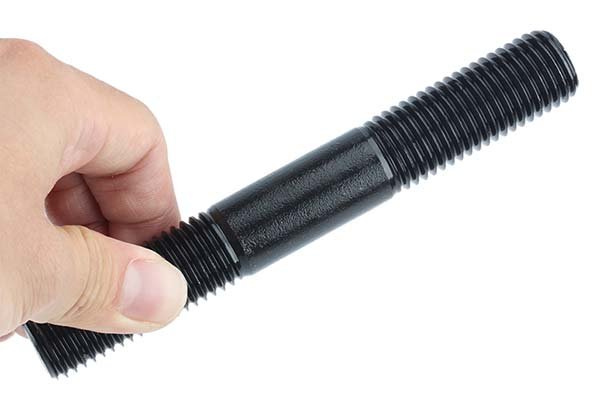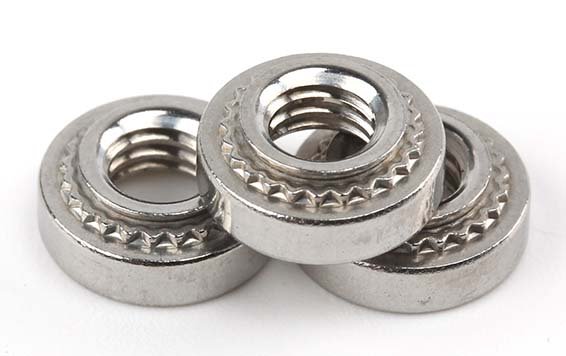
PTFE/Xylan vs Zinc-Nickel Coated Stud Bolts for Flange Service
Comparing PTFE vs zinc nickel coated stud bolts requires evaluating corrosion protection together with flange assembly performance. A finish that protects exposed threads must also work with the specified nuts, tightening procedure, operating temperature and maintenance requirements.
PTFE-containing coating systems may be selected for dry-film lubrication and barrier protection. Zinc-nickel plating provides a metallic coating that can offer sacrificial corrosion protection to steel. Neither description establishes a universal tightening torque, chemical resistance rating or service temperature limit.
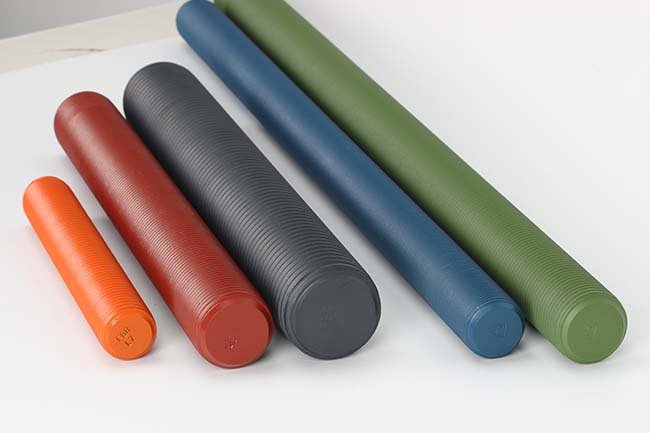
PTFE vs Zinc Nickel Coated Stud Bolts: Compare Complete Systems
PTFE and Xylan Are Different Types of Designation
PTFE identifies a fluoropolymer. Xylan is a PPG coating brand covering multiple formulations, including products with different binders, lubricants and performance characteristics. Specifying “PTFE” or “Xylan” alone does not fully define a stud bolt finish.
For example, PPG describes different Xylan 1000-series products for friction reduction, corrosion resistance and threaded-component applications. Their properties should not be treated as identical. A quotation should identify the exact product, surface preparation, primer or undercoat where required, and application specification.
Zinc-Nickel Also Requires a Complete Designation
Zinc-nickel stud bolts normally involve an electrodeposited alloy coating. The finished system may also include conversion treatment, sealer, topcoat or lubricant. These additional layers affect corrosion protection and assembly behavior.
The comparison is therefore between two defined coating systems. If a proposed fluoropolymer system includes a metallic undercoat, that undercoat must also be included in the technical review. The outer color does not reveal the full layer structure.
| Selection factor | PTFE-containing or specified Xylan system | Zinc-nickel system |
|---|---|---|
| Protection mechanism | The organic coating provides barrier protection; any undercoat contributes its own protection mechanism. | The metallic deposit can provide sacrificial protection to steel, supported by specified post-treatments. |
| Assembly behavior | Selected formulations provide dry-film lubrication; friction depends on the exact system and mating surfaces. | Friction depends on the deposit, conversion treatment, sealer and lubricant condition. |
| Chemical compatibility | Evaluate the complete formulation and layer system against the actual exposure. | Evaluate the alloy deposit and post-treatments against the same exposure. |
| Temperature suitability | Requires product-specific data for the coating, primer and undercoat. | Requires data for the deposit, conversion treatment, sealer and lubricant. |
| Dimensional control | Account for the combined coating build on external and internal threads. | Account for plating thickness, distribution and subsequent treatments. |
| Hydrogen embrittlement review | Assess preparation and any electroplated undercoat, even though the polymer application itself is not electroplating. | Assess cleaning, plating and the required embrittlement-control measures. |
Confirm the Stud and Nut Grades Before Selecting the Finish
A coating does not change the underlying material specification or establish the allowable load for a flange joint. Stud grade, nut grade, dimensions and service suitability must be selected under the governing equipment or piping requirements.
For example, a purchase order identifying an ASTM A193 stud still needs the specific grade and compatible nut requirements. Adding a fluoropolymer finish does not make different bolting grades interchangeable.
Use Flybear’s ASTM stud bolt grade selection guide for the material-selection stage. The ASTM fastener range can then help identify relevant stud and nut products for an inquiry.
Friction Changes the Relationship Between Torque and Bolt Load
During torque tightening, friction occurs in the engaged threads and beneath the rotating nut. Changing either surface can change the bolt load achieved at the same applied torque.
A low-friction coating can reduce the torque needed to reach a target load. Applying an existing torque setting to a different coating system can therefore produce an unintended preload. A calibrated torque wrench does not compensate for an incorrect assumption about the assembly’s friction.
Before substituting PTFE coated studs for zinc-nickel stud bolts, or the reverse, define:
- The coating and lubrication condition of both studs and nuts.
- The nut bearing surface and any specified washers.
- The target bolt load and approved tightening method.
- The required torque/load verification and acceptance criteria.
- Whether additional lubricant is required, permitted or prohibited.
Do not apply a generic torque-reduction percentage to all Xylan coated bolts. Likewise, “zinc-nickel plated” does not identify one predictable friction condition.
For pressure-boundary flange assembly, the applicable ASME PCC-1 guidance and project procedure should be considered together. The coating supports controlled assembly; the gasket, flange condition and achieved bolt load remain essential to sealing performance.
Define the Actual Chemical and Environmental Exposure
“Chemical service” is too broad to select a coating. Identify the substance, concentration, temperature and exposure duration, together with whether contact is continuous, intermittent or limited to cleaning operations.
Distinguish the process fluid inside the pipe from the conditions actually contacting the external bolting. Studs may face salt-laden air, condensation, washdown chemicals, insulation-related moisture or occasional spills. These exposures can require different qualification evidence.
For PTFE-containing finishes, assess the binder, primer and other layers as well as the fluoropolymer. Resistance associated with PTFE alone does not establish the performance of every formulated coating.
For zinc-nickel, review the complete plated system, including passivation and sealing treatments. Sacrificial protection does not mean unlimited resistance to aggressive chemicals or immersion.
Flybear’s petrochemical fastener application overview provides related application context. The final coating decision should be tied to the specific equipment conditions and purchaser requirements.
Check Temperature Limits for Every Layer
A coating’s curing temperature is not its continuous operating temperature. Likewise, a temperature value quoted for the base polymer or metallic deposit does not automatically apply to the finished stud and nut assembly.
Ask for coating-system data covering the expected bolt temperature, exposure duration and any thermal cycling. Identify temporary excursions separately from normal operation.
For fluoropolymer systems, review the binder, primer and undercoat limitations. For zinc-nickel systems, include the conversion coating, sealer and lubricant in the assessment. Where relevant, request evidence that the required corrosion and assembly properties remain acceptable after thermal exposure.
The fastener material, flange and gasket have their own operating requirements. Selecting a coating described as “high temperature” does not establish the temperature rating of the joint.
Review Hydrogen Embrittlement Across the Manufacturing Route
Cleaning and electroplating can introduce hydrogen into susceptible steel fasteners. Zinc-nickel orders therefore need the applicable controls for substrate condition, preparation, plating and any required relief treatment or verification.
A fluoropolymer topcoat does not remove this review requirement when the specified system includes an electroplated undercoat. Pretreatment must also be considered independently of the outer coating.
ASTM F1941/F1941M and ISO 4042 address electroplated fastener coatings, including hydrogen embrittlement considerations within their respective requirements. Identify the governing standard, edition and coating designation instead of combining selected requirements without an agreed specification.
Do not accept a general statement that baking eliminates every risk. Request the process documentation and testing required for the actual fastener grade and order.
Specify Finished Thread Fit and Coated Bearing Surfaces
Coating adds material to the thread profile. A stud and nut that fit before finishing may not meet the required assembly condition after both components are coated.
Define thread series, pitch, tolerance class and finished acceptance requirements. Include any primer, metallic undercoat and topcoat in the dimensional review. Nut threads, stud ends and coating accumulation at local features deserve attention.
Agree on suitable finished-thread gauging and functional assembly checks. A successful hand assembly alone does not replace the specified inspection.
Do not routinely chase threads or substitute oversized nuts to correct interference without engineering approval. Such changes can remove protection or alter the intended thread fit. Also identify whether nut bearing faces are coated, because that condition forms part of the approved tightening system.
Choose the System Against the Flange’s Priorities
A specified PTFE-containing or Xylan system may be considered where controlled dry-film lubrication, chemical exposure resistance and maintenance disassembly are important. Confirm those properties for the selected formulation and application route.
A specified zinc-nickel system may be considered where metallic sacrificial protection is required and the plating route is acceptable for the stud material. Include a defined friction condition when torque tightening is used.
When replacing an existing finish, compare the proposed system against the current approved coating and assembly procedure. Matching color or matching a salt spray result is insufficient to establish equivalence.
Compare quotations using the same stud and nut grades, coating layers, inspection scope and documentation. There is no reliable universal price ranking between these systems.
Review Flybear’s carbon and alloy steel fastener surface treatments when preparing the finish requirements for quotation.
Set Inspection Criteria Before Production
The purchase specification should identify what must be checked and how acceptance will be recorded. Depending on the system and application, the inspection plan may include:
- Stud and nut identification, grade records and lot traceability.
- Finished dimensions, thread gauging and assembly compatibility.
- Coating thickness at agreed locations using a suitable method.
- Coverage, adhesion, cure verification or alloy composition where specified.
- Required friction or torque/load testing under defined conditions.
- Corrosion testing, conditioning and acceptance criteria.
ISO 9227 salt spray testing can support coating-quality assessment, but test hours should not be converted into guaranteed years of service. The order must define exposure duration, evaluated surfaces and the corrosion endpoint.
Flybear’s quality inspection capabilities include dimensional and thread inspection, coating-thickness checks and salt spray testing. Confirm the applicable methods, sampling and reports with the inquiry.
Frequently Asked Questions
Are All Blue Stud Bolts PTFE or Xylan Coated?
No. Color does not establish the coating manufacturer, formulation, undercoat or performance. Specify the complete coating designation and request documentation linked to the supplied lot.
Do PTFE Coated Studs Require Additional Anti-Seize?
Follow the approved coating and assembly instructions. Some systems provide dry-film lubrication, but additional anti-seize can change friction. Neither adding nor omitting lubricant should be based only on the PTFE label.
Can Coated Stud Bolts Be Reused After Flange Maintenance?
Reuse depends on the governing maintenance procedure, fastener condition and coating damage. Prior tightening and service exposure may change the assembly condition. A coating intended to aid disassembly does not establish unlimited reuse.
Does a Stud Coating Replace the Flange Gasket?
No. A stud coating protects the fastener and influences assembly behavior. It is not a substitute for the specified gasket, suitable flange surfaces or the required bolt load.
Request a Coated Stud Bolt Review
Send Flybear the stud standard and grade, diameter, thread designation, length, nut grade, quantity and drawing. Include the service environment, expected bolt temperature and specified coating system or permitted alternatives.
For a meaningful comparison, also provide the assembly method, lubrication instructions, required corrosion testing and inspection documents. If the request involves changing an existing finish, identify the current coating and the approval requirements.
Contact Flybear with your flange bolting and coating specifications to review the proposed finish, dimensional requirements and quotation scope.
Follow Me!