
Pump and Valve Fastener Selection Guide for Lower Lifecycle Cost
Pump and valve fastener selection is a critical decision for equipment manufacturers, maintenance contractors, distributors, and industrial buyers who want to reduce lifecycle cost instead of simply lowering the initial purchase price. In pump and valve systems, fasteners are responsible for maintaining clamping force, supporting sealing performance, resisting corrosion, and helping equipment remain serviceable after long operating periods. A low-cost bolt, nut, washer, or stud may look acceptable at the purchasing stage, but the wrong specification can lead to installation issues, frequent replacement, leakage risk, or costly downtime.
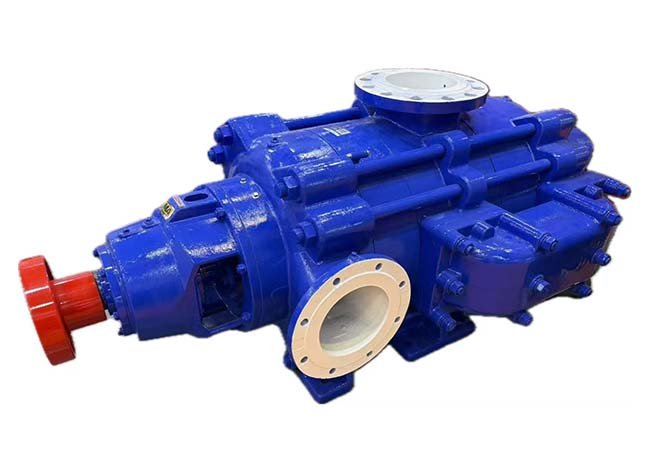
For B2B buyers, the best approach is to evaluate fasteners from the perspective of total application value. This means reviewing material compatibility, thread accuracy, strength grade, coating, assembly method, maintenance access, and the working environment. Pumps and valves are often used in water treatment, oil and gas, chemical processing, power plants, marine equipment, HVAC systems, mining, and industrial fluid control. Each application places different demands on the fasteners used around flanges, pump housings, valve covers, bonnets, brackets, and pipe connections.
Why Lifecycle Cost Matters in Pump and Valve Fastener Selection
Lifecycle cost includes more than the unit price of the fastener. It also includes assembly efficiency, rework rate, inspection time, replacement frequency, corrosion-related failure, downtime, and inventory management. For example, if a valve bolt begins to corrode too quickly in an outdoor or chemical environment, the end user may need extra labor to remove it during maintenance. If threads are inconsistent, assembly workers may spend more time aligning parts or may damage mating threads during installation.
In many pump and valve assemblies, fasteners are installed in locations that are not always easy to access. Once the equipment is connected to a pipeline or installed in a plant, replacement becomes more difficult. This is why procurement teams increasingly search for industrial fasteners for pumps, stainless steel valve bolts, corrosion resistant fasteners, and flange bolts for pump systems. These searches show a practical buyer concern: fasteners must support reliable operation while reducing hidden maintenance costs.
Material Compatibility with Working Media
The first factor in fastener selection is material compatibility. Pump and valve equipment may handle clean water, wastewater, chemicals, oil, gas, steam, seawater, or other industrial fluids. Even if the fastener does not directly contact the internal media, it may still be exposed to humidity, splashing, chemical vapor, salt, or outdoor weather. Material selection should therefore consider both mechanical load and environmental exposure.
Carbon steel fasteners are widely used in general industrial applications where strength and cost efficiency are important. Alloy steel fasteners are often selected for higher strength requirements. Stainless steel fasteners, especially 304 and 316 grades, are commonly used where corrosion resistance is a priority. Grade 304 stainless steel is suitable for many general environments, while 316 stainless steel is often preferred for marine, chemical, and chloride-related conditions.
In some demanding applications, buyers may need to evaluate special materials according to engineering drawings or project standards. The key is not to choose the most expensive material automatically, but to match the fastener material with the real service conditions. A properly selected fastener can help reduce replacement frequency and improve equipment reliability over time.
Strength Grade and Clamping Performance
Strength grade directly affects the fastener’s ability to maintain the required clamping force. In pump and valve systems, stable clamping is important for flange sealing, vibration resistance, and structural support. If the fastener is under-specified, it may stretch, loosen, or fail to provide adequate load. If it is over-specified without considering the mating parts, it may create installation problems or damage softer components.
Common buyer searches such as high tensile bolts for pumps and valve flange fasteners are usually connected to applications where pressure, vibration, or heavy-duty assembly conditions are involved. However, strength should always be considered together with material, thread fit, surface finish, and installation method. A strong fastener with poor corrosion resistance may still create long-term reliability problems in a harsh environment.
For OEM production and repair projects, consistent mechanical properties and dimensional accuracy are important. Buyers should confirm the required standard, grade, thread type, length, head style, washer type, and nut compatibility before ordering. This reduces the risk of mismatched components and helps maintain assembly consistency across production batches.
Coating and Surface Finish for Service Life
Surface finish is another major factor in lifecycle cost. Zinc plating, hot dip galvanizing, black oxide, phosphate coating, passivation, and other finishes may be used depending on the application. The purpose of the finish is not only appearance. It can influence corrosion protection, friction during tightening, thread fit, and the fastener’s ability to remain removable during maintenance.
For outdoor pump stations, water treatment facilities, marine equipment, and chemical plants, corrosion protection is often a top priority. Corrosion resistant fasteners can help reduce seized threads, surface deterioration, and emergency replacement work. However, coating thickness and thread tolerance must be considered carefully, especially for nuts, studs, and bolts used in flange assemblies.
Buyers should also consider whether the equipment will require frequent disassembly. Some fasteners may perform well during initial assembly but become difficult to remove after long exposure to moisture or chemicals. Choosing the right coating and material combination can improve maintenance efficiency and reduce labor costs for operators.
Standard Fasteners vs. Custom Fasteners
Standard fasteners are suitable for many pump and valve applications because they offer easy replacement, predictable dimensions, and broad availability. Common products include hex bolts, heavy hex nuts, threaded rods, studs, socket head cap screws, flat washers, spring washers, and flange bolts. Standards such as DIN, ISO, ANSI, ASME, and ASTM-related specifications may be requested depending on the equipment market and project requirements.
Custom fasteners may be necessary when the equipment design has special dimensions, unusual thread lengths, limited installation space, or specific material and coating requirements. Custom pump fasteners and custom valve bolts can support OEM equipment design, replacement projects, and non-standard assemblies. When ordering custom parts, buyers should provide drawings, material requirements, tolerance expectations, surface finish details, and application information.
A clear specification helps suppliers evaluate manufacturability and avoid misunderstanding. It also helps purchasing teams compare quotations accurately. Two fasteners may look similar in a quotation, but differences in material, coating, tolerance, or inspection requirements can significantly affect actual performance.
Inventory Planning for Pump and Valve Buyers
Fastener procurement is not only a technical task. It is also an inventory planning challenge. Distributors and OEM buyers often need to manage many sizes, materials, coatings, and standards at the same time. A practical inventory strategy can reduce urgent orders, avoid specification confusion, and improve delivery stability.
Buyers can separate fasteners into standard high-volume items, project-specific items, and custom critical parts. Standard items may be stocked for regular maintenance and production. Project-specific items can be planned according to equipment schedules. Custom critical parts should be ordered with enough lead time and confirmed through drawings or samples when necessary.
Good packaging and labeling also matter. For pump and valve projects, mixed sizes or unclear labeling may cause assembly delays. Clear product identification, batch separation, and suitable packaging can help warehouses, assembly teams, and field service technicians work more efficiently.
Choosing a Reliable Fastener Partner
For pump and valve manufacturers, distributors, and maintenance suppliers, the right fastener partner should understand more than product size. A reliable supplier should be able to discuss material choice, strength grade, coating options, standard compatibility, custom manufacturing needs, and application risks. This helps buyers avoid selecting fasteners based only on price and instead choose parts that support long-term equipment performance.
When fasteners are selected with lifecycle cost in mind, pump and valve assemblies can benefit from better installation quality, improved corrosion resistance, easier maintenance, and more stable supply. From stainless steel valve bolts to high tensile flange fasteners and custom pump fasteners, every detail should support the real operating environment. For buyers who need dependable fastening solutions for industrial equipment, Flybear Fastener can support standard and custom fastener requirements for pump and valve applications.
Follow Me!


Need Fasteners for Your Application?
Share your application, standard or drawing, material or grade, dimensions, finish and quantity. Our team will review your requirements and recommend a suitable solution.