PP Screw: Material Features, Applications, and Custom Manufacturing
PP screw solutions are widely used when lightweight, corrosion resistance, and electrical insulation are important in product design. Made from polypropylene material, a PP screw is suitable for assemblies that require chemical stability, low moisture absorption, and non-metallic fastening performance. In many industries, these fasteners are selected for plastic housings, electronic components, water treatment devices, laboratory equipment, and other environments where metal parts may not be the best choice.
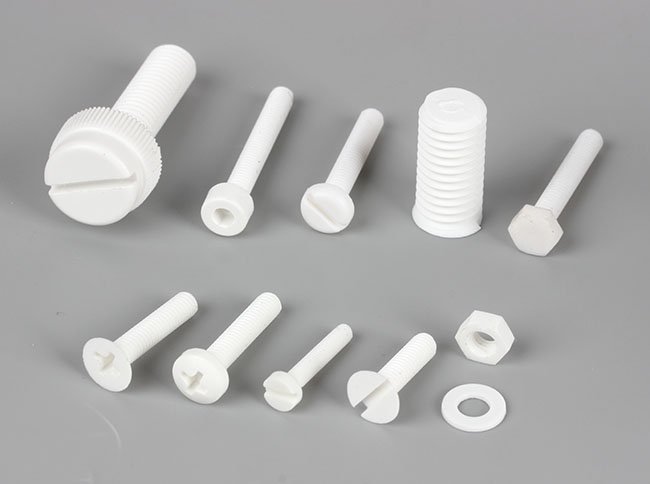
Understanding PP Screw Performance and Production
A PP screw is not simply a replacement for a metal fastener. It is a specialized fastening option designed for applications where the material itself offers practical advantages. Polypropylene provides good resistance to many acids, alkalis, and moisture, making PP screws useful in environments exposed to chemicals or regular cleaning. At the same time, the low density of polypropylene helps reduce total assembly weight, which can be valuable in equipment manufacturing and component design.
For projects that require reliable plastic fasteners, working with an experienced manufacturer is important. Production control, mold accuracy, dimensional consistency, and material selection all affect the final performance of the screw. Manufacturers such as Flybear Fastener focus on custom production capability, process control, and application-based fastener solutions for industrial use.
What Is a PP Screw?
A PP screw is a screw produced from polypropylene resin. Compared with traditional steel fasteners, it offers different mechanical and chemical characteristics. PP material is valued for its resistance to many corrosive substances, good toughness in appropriate working conditions, and insulating properties. Because of these features, PP screws are often used where conductivity, rust, or chemical attack may create problems for metal hardware.
Common PP screw types include machine screws, pan head screws, countersunk screws, socket designs, and customized molded shapes for special assemblies. Depending on the application, they may be produced in standard metric or inch sizes, with various thread forms and head configurations.
Key Advantages of PP Screw Products
One of the main benefits of a PP screw is corrosion resistance. In damp, mildly chemical, or washdown environments, polypropylene can perform better than some metallic options that may oxidize or stain surrounding surfaces. Another advantage is electrical insulation. This makes PP screws suitable for equipment where electrical isolation is required.
Weight reduction is also a practical benefit. For assemblies with a large quantity of fasteners, switching from metal to plastic hardware can help lower overall product weight. In addition, polypropylene fasteners can help prevent galvanic issues in systems containing other non-metallic components.
PP screws also offer good process flexibility for custom manufacturing. A factory can adjust dimensions, head style, thread details, and part geometry according to the specific installation requirement. This is especially useful when standard catalog fasteners do not match the customer’s product structure.
PP Screw Application Areas
PP screw products are commonly used in chemical equipment, filtration systems, plastic tanks, ventilation units, water treatment components, electronics housings, medical-related non-critical devices, and laboratory accessories. They are also found in packaging machinery, agricultural systems, and assemblies where moisture exposure is frequent.
In plastic-to-plastic fastening, a PP screw can help maintain material compatibility and reduce the risk of surface damage. For components that must remain non-magnetic or electrically non-conductive, polypropylene hardware may provide a more suitable fastening choice than standard carbon steel parts.
However, correct application evaluation is important. PP screws are generally selected for light-duty to medium-duty fastening needs rather than high-load structural joints. Load requirements, temperature exposure, chemical contact, and installation torque should all be reviewed during product selection.
How to Select the Right PP Screw
Choosing the right PP screw starts with understanding the working environment. The first factor is application load. If the joint requires high clamping force or repeated heavy mechanical stress, another engineering plastic or a metal fastener may be more appropriate. The second factor is media exposure. If the assembly is exposed to chemicals, humidity, or cleaning agents, polypropylene can be a good option depending on compatibility.
Thread type is another key point. Some applications need machine threads for use with nuts or tapped holes, while others may need thread-forming designs for direct installation into plastic components. Head shape also affects assembly efficiency and appearance. Pan head, countersunk head, and hex designs are selected based on tool access and surface requirements.
Dimensional accuracy matters as well. For precision assemblies, stable molding and strict inspection are necessary to control thread fit, head dimensions, and straightness. A qualified manufacturer should be able to support both standard and custom PP screw production with clear specification control.
Manufacturing Considerations for Custom PP Screw Orders
Custom PP screw manufacturing involves more than basic molding. Material grade selection, mold design, shrinkage control, thread precision, and post-production inspection all influence product quality. A factory with strong process capability can support custom dimensions, non-standard head structures, and application-specific modifications.
For industrial projects, it is useful to confirm details such as material type, color, size range, thread specification, tolerance expectations, and packaging requirements before production begins. In some cases, drawings or samples are needed to ensure the final part fits the intended assembly.
Quality consistency is especially important in volume orders. Uniform dimensions, stable raw material supply, and controlled production procedures help reduce assembly problems during installation. This is one reason why many companies prefer working with a manufacturer that understands both standard fasteners and customized plastic fastening solutions.
Why PP Screw Solutions Matter in Modern Industry
As product designs continue to evolve, the demand for specialized fastening materials is increasing. A PP screw offers a useful solution where rust resistance, insulation, chemical stability, and low weight are priorities. While it is not intended for every fastening task, it is highly effective when matched to the correct environment and load condition.
For engineers, product developers, and sourcing teams, selecting the right PP screw means balancing material properties, part design, and production quality. With proper specification control and reliable manufacturing support, polypropylene screws can improve product performance, simplify assembly, and support long-term application needs across a wide range of industrial sectors.
Follow Me!