Applications of Stainless Steel Threaded Rod in Industrial Fastening
Stainless steel threaded rod is a versatile fastening component used in construction, machinery, marine equipment, chemical processing, electrical installation, and many other industrial assemblies where corrosion resistance and adjustable fastening length are required.
Industrial Applications of Stainless Steel Threaded Rod and Threaded Bar
A stainless steel threaded rod, also called stainless steel threaded bar, is a fully threaded metal rod designed to work with nuts, washers, anchors, plates, brackets, and other fastening components. Unlike a standard bolt with a fixed head and length, threaded rod can be cut to the required size and used in assemblies that require flexible installation, long-distance fastening, or custom clamping arrangements.
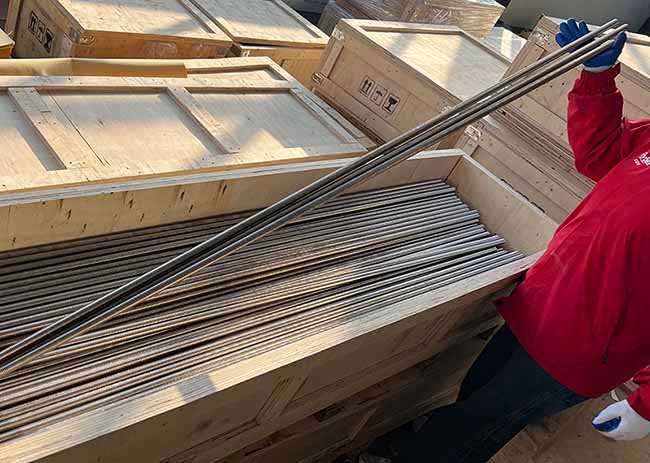
For engineers, contractors, equipment manufacturers, and sourcing managers, stainless steel threaded bar is often selected when the connection must resist moisture, outdoor exposure, chemical environments, or repeated maintenance. The combination of continuous external threads and stainless steel material makes it suitable for both permanent and adjustable fastening systems.
As a manufacturer focused on industrial fastener production, Flybear Fastener supports stainless steel threaded rod applications where stable dimensions, consistent thread quality, and reliable material selection are important for long-term assembly performance.
Stainless Steel Threaded Rod for Construction and Structural Installation
In construction projects, stainless steel threaded rod is commonly used for anchoring, suspension, bracing, and connection work. It can be installed with chemical anchors, expansion anchors, base plates, channel systems, or steel brackets. Because the rod is threaded along its full length, installers can adjust the fastening position with nuts and washers according to the actual site condition.
Typical construction uses include curtain wall support, pipe rack installation, suspended ceiling systems, steel frame connection, handrail fixing, and equipment foundation fastening. In outdoor or semi-outdoor environments, stainless steel threaded rod offers better corrosion resistance than ordinary carbon steel fasteners, especially where rain, humidity, or cleaning chemicals may affect the assembly.
Applications in Machinery and Equipment Manufacturing
Machinery manufacturers use stainless steel threaded bar for clamping, positioning, assembly support, and adjustable connection. It can serve as a tie rod, spacer rod, tension rod, or mounting rod in machines and mechanical frames. Since the rod can be cut into different lengths, it is practical for custom machinery, small-batch equipment, and maintenance replacement parts.
In food processing machinery, packaging equipment, pharmaceutical equipment, and clean production environments, stainless steel fasteners are often preferred because they provide a cleaner surface and better resistance to moisture and corrosion. When paired with compatible stainless steel nuts and washers, threaded rods help maintain reliable fastening performance while supporting easier cleaning and maintenance.
Marine, Outdoor, and Corrosion-Resistant Uses
One of the main reasons buyers choose stainless steel threaded rod is its resistance to corrosion. Marine structures, dock equipment, outdoor railings, water treatment systems, and coastal facilities often require fasteners that can withstand humid and corrosive atmospheres. In these applications, material selection is especially important.
Common stainless steel grades include 304 and 316. Grade 304 is widely used for general corrosion-resistant applications, while grade 316 is often selected for more demanding environments involving salt spray, coastal exposure, or certain chemical conditions. The final selection should consider the operating environment, load requirements, and compatibility with other components in the assembly.
Electrical, HVAC, and Pipe Support Systems
Stainless steel threaded bar is also widely used in electrical installation, HVAC systems, and pipe support assemblies. Contractors use it to suspend cable trays, ductwork, air-conditioning units, lighting systems, and pipe clamps. Its fully threaded structure allows easy height adjustment, which is useful during installation and later maintenance.
In these systems, threaded rods are often combined with channel nuts, beam clamps, coupling nuts, hex nuts, flat washers, and spring washers. For projects in humid plants, tunnels, water treatment facilities, or outdoor platforms, stainless steel material helps extend service life and reduce the risk of rust-related loosening or staining.
Key Factors When Selecting Stainless Steel Threaded Bar
Choosing the right stainless steel threaded bar requires attention to diameter, thread pitch, length, material grade, thread standard, surface condition, and end use. Common thread systems include metric thread and inch thread, depending on the market and assembly requirement. For international projects, buyers should confirm whether the rod needs to meet DIN, ISO, ASTM, or customer-specific drawings.
Diameter and thread pitch affect load capacity and compatibility with nuts. Material grade affects corrosion resistance and mechanical behavior. Surface finish affects appearance, cleanliness, and installation performance. For custom production, additional requirements may include cut length, chamfered ends, special packaging, barcode labeling, or mixed-size shipment for project distribution.
Why Thread Quality Matters in Industrial Applications
Thread quality is critical for smooth installation and stable fastening. Poor thread accuracy can cause nut jamming, uneven tightening, assembly delay, or reduced connection reliability. For stainless steel threaded rod, consistent rolling or machining quality helps improve fit with matching nuts and reduces installation problems on site.
In procurement, buyers should check thread standard, tolerance requirement, straightness, surface condition, and material consistency. For demanding applications, it is also important to confirm whether the threaded rod will be used in tension, suspension, anchoring, or general assembly, because each application may have different performance expectations.
Conclusion
Stainless steel threaded rod is an important fastening solution for applications that require corrosion resistance, adjustable length, flexible installation, and reliable connection performance. From construction anchoring and machinery assembly to marine equipment, HVAC support, pipe suspension, and electrical installation, stainless steel threaded bar provides practical value across many industries.
For B2B buyers, the best results come from selecting the correct stainless steel grade, thread size, standard, length, and surface condition according to the working environment. A well-matched threaded rod helps improve installation efficiency, reduce maintenance concerns, and support long-term fastening reliability in industrial projects.
Follow Me!