DIN975 Stainless Steel Threaded Rod: A Complete Guide for Industrial Fastening Applications
DIN975 stainless steel threaded rod is one of the most widely used fastening products in construction, machinery, infrastructure, electrical installations, and industrial manufacturing. Designed with continuous threads along the entire length of the rod, DIN975 threaded rods provide flexible fastening solutions for applications requiring adjustable connections, secure anchoring, and high load-bearing performance.
As industries increasingly demand corrosion-resistant fasteners for harsh environments, stainless steel threaded rods have become a preferred choice due to their durability, strength, and long service life. Whether used in structural supports, pipe installations, HVAC systems, or custom fabrication projects, DIN975 threaded rods offer reliable performance across a wide range of industries.
What Is DIN975 Stainless Steel Threaded Rod?
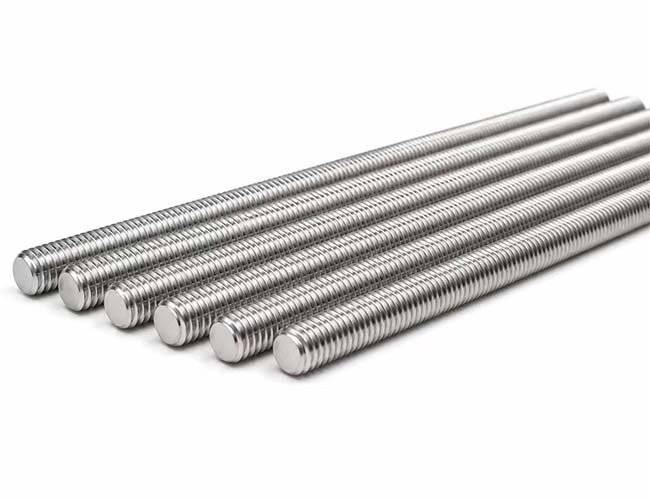
DIN975 is a recognized industrial standard that specifies fully threaded rods manufactured in various materials and dimensions. Unlike bolts with a fixed head design, a DIN975 threaded rod features continuous threading from one end to the other, allowing users to cut the rod to the desired length and combine it with nuts, washers, and other fastening components.
Stainless steel versions are particularly popular because they provide excellent resistance to corrosion, moisture, chemicals, and temperature fluctuations. Common stainless steel grades include A2 stainless steel threaded rod and A4 stainless steel threaded rod, each offering unique advantages depending on environmental conditions.
For industrial buyers seeking reliable manufacturing quality and consistent supply, Flybear Fastener provides a comprehensive range of threaded rod solutions designed for diverse fastening requirements.
Key Features of DIN975 Stainless Steel Threaded Rod
DIN975 threaded rods are valued for their versatility and performance characteristics. Their fully threaded design allows easy adjustment during installation and enables customized fastening solutions in both temporary and permanent structures.
Main features include:
- Full-length threading for maximum flexibility
- Excellent corrosion resistance
- Suitable for indoor and outdoor environments
- Available in multiple diameters and lengths
- Compatible with standard nuts and washers
- Easy cutting and on-site customization
- Long service life with minimal maintenance
These benefits make stainless steel threaded rods a popular option for engineers, contractors, and maintenance professionals worldwide.
DIN975 Stainless Steel Threaded Rod Applications
One of the reasons DIN975 threaded rods remain highly searched online is their broad application range. The product is frequently used wherever secure and adjustable fastening is required.
Common applications include:
- Construction and structural reinforcement
- HVAC support systems
- Electrical cable tray installations
- Solar panel mounting systems
- Industrial machinery assembly
- Water treatment facilities
- Marine engineering projects
- Pipe support and suspension systems
- Bridge and infrastructure projects
Because stainless steel threaded rods resist rust and oxidation, they are especially suitable for outdoor installations and high-humidity environments.
Benefits of Using DIN975 Stainless Steel Threaded Rod
When selecting fastening components, long-term performance is often more important than initial purchase cost. Stainless steel threaded rods offer several advantages that contribute to lower lifecycle expenses.
First, corrosion resistance significantly reduces replacement frequency. In coastal areas, chemical plants, and wastewater facilities, ordinary carbon steel fasteners may deteriorate quickly, while stainless steel maintains structural integrity for extended periods.
Second, threaded rods provide installation flexibility. Contractors can cut the rods to custom lengths, reducing inventory complexity and simplifying project management.
Third, stainless steel threaded rods deliver reliable mechanical performance under varying environmental conditions, including temperature fluctuations and moisture exposure.
Finally, their clean appearance makes them suitable for visible architectural and decorative applications where aesthetics matter alongside functionality.
DIN975 Stainless Steel Threaded Rod Selection Guide
Selecting the correct DIN975 stainless steel threaded rod requires evaluating several technical factors. Buyers should consider application requirements, environmental conditions, load capacity, and material specifications before purchasing.
Important selection criteria include:
- Material grade (A2 or A4 stainless steel)
- Thread size and pitch
- Rod diameter
- Required length
- Surface condition
- Load requirements
- Environmental exposure

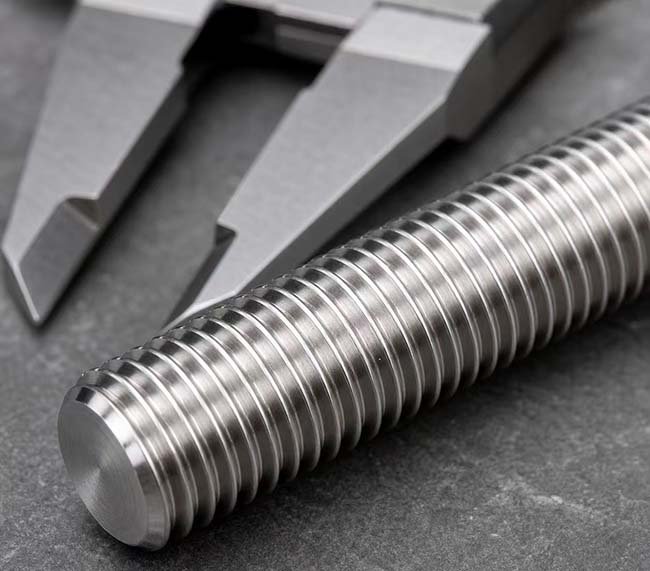
For outdoor applications exposed to saltwater or aggressive chemicals, A4 stainless steel threaded rod is often recommended because of its superior corrosion resistance. For general industrial and construction use, A2 stainless steel threaded rod provides an excellent balance between performance and cost.
Popular Google Search Terms Related to Threaded Rods
Industrial buyers frequently search online for information related to threaded rod specifications and applications. Some of the most common search terms associated with DIN975 products include:
- stainless steel threaded rod
- DIN975 threaded rod supplier
- A2 stainless steel threaded rod
- A4 stainless steel threaded rod
- fully threaded rod
- threaded rod manufacturer
- metric threaded rod
- corrosion resistant fasteners
- industrial fastening solutions
- stainless steel fasteners
Integrating these industry-relevant terms helps procurement managers and engineers better understand product specifications and sourcing options when evaluating suppliers.
Manufacturing Considerations for DIN975 Threaded Rods
Quality manufacturing is essential to ensure threaded rod performance and consistency. During production, manufacturers must maintain precise thread dimensions, straightness, material quality, and surface finish.
Critical manufacturing factors include raw material selection, thread rolling or thread cutting processes, dimensional inspection, and packaging protection. Proper quality control helps ensure compatibility with standard nuts and fastening systems while minimizing installation issues.
Reliable manufacturers also focus on material traceability and process consistency, which are important considerations for industrial buyers managing large-scale projects.
Why DIN975 Stainless Steel Threaded Rod Remains a Preferred Fastening Solution
The combination of strength, flexibility, corrosion resistance, and ease of installation makes DIN975 stainless steel threaded rod one of the most practical fastening products available today. From construction and infrastructure to renewable energy and industrial equipment manufacturing, these threaded rods support countless applications requiring dependable fastening performance.
As global demand for durable and maintenance-free fastening solutions continues to grow, DIN975 stainless steel threaded rods remain an essential component in modern engineering and construction projects. By selecting the appropriate material grade, dimensions, and supplier, buyers can achieve reliable long-term performance while optimizing installation efficiency and maintenance costs.
Follow Me!