ANSI B18.22.1 Fender Washer: Inch Series Washer Guide for Industrial Buyers
ANSI B18.22.1 fender washer is an inch series flat washer widely used when a larger outside diameter is needed to distribute load over a broader surface area. For industrial buyers, engineers, and fastener distributors, understanding this washer type helps improve assembly reliability, reduce surface damage, and support consistent procurement for North American fastener applications.
ANSI B18.22.1 Fender Washer for Reliable Inch Fastener Assemblies
Fender washers are different from general flat washers because they typically have a relatively large outside diameter compared with the inside diameter. This wide bearing surface makes them useful for sheet metal, plastic components, wood structures, repair work, equipment panels, and applications where the base material may be thin, soft, or oversized around the hole. When specified according to ANSI B18.22.1, buyers can define washer dimensions in a more consistent way for inch fastener systems.
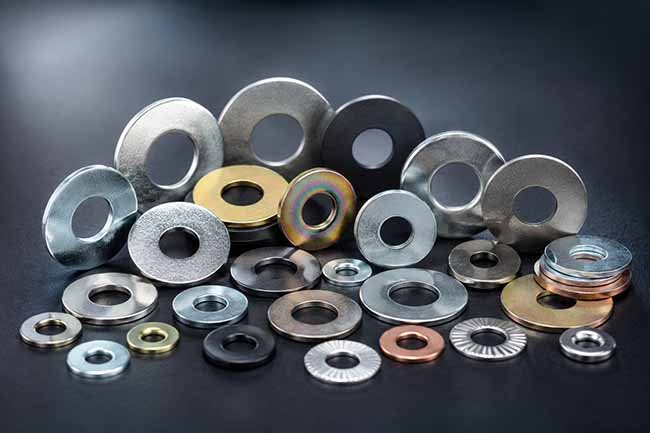
For B2B sourcing teams, the value of an ANSI B18.22.1 fender washer is not only its shape but also its compatibility with bolts, screws, threaded rods, and nuts used in inch-based assemblies. A washer that matches the required inner diameter, outer diameter, thickness, material, and finish can improve assembly quality while reducing mismatched inventory and supplier communication issues.
What Is an ANSI B18.22.1 Fender Washer?
An ANSI B18.22.1 fender washer is a plain washer style designed for inch fastener applications where a broad load-bearing area is required. The washer is placed under the head of a bolt, screw, or nut to help spread clamping force and protect the contact surface. In many applications, the washer also helps bridge oversized holes or worn mounting points, making it a practical choice for maintenance and equipment repair.
Compared with smaller outside diameter flat washers, fender washers provide more surface coverage. This makes them suitable for assemblies involving light-gauge metal, plastic panels, timber, composite boards, brackets, covers, and enclosures. However, proper selection is important. A washer that is too thin may deform under load, while a washer with an incorrect inside diameter may not seat properly with the chosen fastener.
Key Dimensions and Selection Factors
When purchasing ANSI B18.22.1 fender washers, buyers usually review several basic dimensions. The inside diameter must fit the fastener shank or thread size. The outside diameter determines how much surface area the washer can cover. Thickness influences stiffness, load distribution, and resistance to bending. These factors should be checked together rather than selected separately.
Application conditions also matter. A fender washer used in indoor furniture hardware may not require the same material or coating as one used in outdoor equipment, transportation parts, or construction-related assemblies. Engineering teams should consider the base material, tightening method, exposure environment, vibration level, and whether the washer is used for structural support, spacing, protection, or repair.
Material Options for Fender Washers
Common material choices for fender washers include carbon steel and stainless steel. Carbon steel washers are often selected for general industrial use and can be combined with suitable surface finishes for corrosion resistance. Stainless steel fender washers are often preferred where moisture, mild corrosion exposure, or clean appearance is important.
Material selection should match the fastener and the operating environment. Using a washer that is too soft for the load may reduce clamping performance, while using an unsuitable material in a corrosive environment may shorten service life. For projects with special requirements, buyers may request custom washer materials based on drawings, assembly conditions, or industry usage.
Finish and Coating Considerations
Surface finish is another important factor in fender washer procurement. Zinc plating is commonly used for general corrosion protection and clean appearance. Other finishes may be considered depending on the assembly environment, mating fastener finish, and customer specifications. The selected coating should support the required corrosion resistance while maintaining dimensional suitability and assembly performance.
For distributors and OEM buyers, finish consistency can affect both function and visual quality. A stable washer supplier should control coating appearance, packing protection, and basic dimensional inspection to reduce issues during incoming inspection and final assembly.
Applications of ANSI B18.22.1 Fender Washers
ANSI B18.22.1 fender washers are used across many industrial and commercial applications. Typical uses include machinery guards, sheet metal panels, electrical enclosures, HVAC equipment, vehicle accessories, furniture hardware, construction fittings, and repair assemblies. Their large outside diameter makes them especially useful when the fastening point needs extra bearing support.
In maintenance work, fender washers are often used to reinforce worn holes or distribute pressure over a wider surface. In manufacturing, they help create repeatable assemblies when the mating material is thin or vulnerable to indentation. For sourcing managers, standardizing washer dimensions can simplify purchasing, inventory planning, and supplier comparison.
Custom Manufacturing and Quality Control
For high-volume or project-based fastener procurement, standard washer sizes may not always meet every assembly need. Custom fender washers can be produced according to buyer drawings, specified dimensions, material requirements, thickness preferences, and finish instructions. This is especially useful for OEM projects, equipment manufacturers, and distributors serving customers with special fastener requirements.
Flybear Fastener supports industrial fastener sourcing with a focus on manufacturing capability, quality control, and custom production. For ANSI B18.22.1 fender washer projects, clear technical communication helps ensure that washer size, material, finish, tolerance expectations, packaging, and application requirements are aligned before production.
Procurement Tips for ANSI B18.22.1 Fender Washer Orders
When preparing a purchase inquiry, buyers should provide the washer standard, inside diameter, outside diameter, thickness, material, finish, quantity, and packaging requirements. If the washer is used in a critical assembly, drawings or samples can help confirm details more accurately. Buyers should also identify whether the washer will be used indoors, outdoors, with stainless steel fasteners, with carbon steel bolts, or in an environment where corrosion resistance is important.
For repeat orders, it is helpful to maintain a consistent specification sheet. This reduces the risk of receiving washers with different thickness, finish, or outside diameter from different suppliers. It also supports smoother communication between engineering, purchasing, warehouse, and quality teams.
Conclusion
ANSI B18.22.1 fender washer is a practical and widely used washer solution for inch fastener assemblies requiring a larger bearing surface. By selecting the correct dimension, material, finish, and manufacturing source, buyers can improve assembly stability, protect mating surfaces, and streamline fastener procurement. For OEMs, distributors, and industrial buyers, a clear specification is the foundation for reliable washer supply and consistent product performance.
Follow Me!