Engineering Plastic Fasteners: Lightweight, Corrosion-Resistant Solutions for Industrial Applications
Engineering plastic fasteners provide a practical alternative to metal fastening components when electrical insulation, corrosion resistance, low weight, chemical compatibility, or non-magnetic performance is important. Used across electronics, electrical equipment, machinery, automotive systems, chemical processing equipment, and other industrial assemblies, these fasteners can help engineers solve application challenges that conventional steel components may not address efficiently.
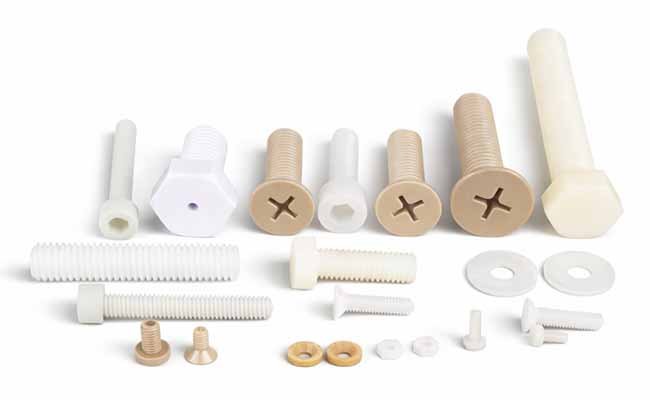
Unlike general-purpose plastic hardware, engineering plastic fasteners are produced from carefully selected polymer materials designed for more demanding operating conditions. Material selection, dimensional control, thread design, production consistency, and application requirements all influence the final performance of a plastic fastening component.
For industrial buyers and engineers, choosing the correct engineering plastic fastener therefore requires more than simply matching a diameter and thread. The material, temperature environment, mechanical load, chemicals, electrical requirements, assembly method, and production volume should all be considered before specifying the part.
What Are Engineering Plastic Fasteners?
Engineering plastic fasteners are fastening and assembly components manufactured from performance-oriented thermoplastic materials rather than traditional carbon steel, stainless steel, or non-ferrous metals. Common products include plastic screws, bolts, nuts, washers, spacers, threaded components, clips, bushings, and customized fastening parts.
These components are frequently selected for applications where the properties of the polymer itself offer an engineering advantage. For example, a plastic screw can provide electrical isolation between components, while a plastic washer can help prevent direct metal-to-metal contact. In corrosive or chemically exposed environments, suitable polymer fasteners may also reduce concerns related to rust and surface corrosion.
Because different polymers offer different mechanical, thermal, and chemical properties, engineering plastic fasteners should always be selected according to actual service conditions rather than by appearance alone.
Common Materials for Engineering Plastic Fasteners
Material selection is one of the most important stages in specifying plastic fastening components. Nylon, POM, PC, PP, PE, PTFE, PEEK, and other engineering polymers may be considered depending on the required combination of strength, dimensional stability, friction characteristics, chemical resistance, temperature capability, and cost.
Nylon Fasteners
Nylon fasteners are widely used in electrical, electronics, equipment assembly, and general industrial applications. Nylon offers a useful balance of mechanical properties, low weight, insulation, and processing versatility. Nylon screws, nuts, washers, and spacers are commonly used where moderate fastening loads and non-metallic construction are required.
However, nylon can absorb moisture, which may influence dimensional behavior and mechanical characteristics. Engineers should consider environmental exposure when selecting nylon grades for precision assemblies.
POM Fasteners
POM, also known as acetal, is valued for dimensional stability, low friction, rigidity, and good machinability. POM fasteners can be suitable for equipment, mechanisms, instruments, and assemblies where consistent dimensions and smooth mechanical interaction are important.
Compared with some other common thermoplastics, POM can be attractive for components that require accurate geometry or moving contact with nearby parts.
PTFE Fasteners
PTFE is often considered for applications involving chemical exposure, low friction, or specialized environmental requirements. PTFE fasteners are typically chosen for their material characteristics rather than for high mechanical loading. Application engineers should carefully evaluate stress, temperature, and assembly conditions before specifying PTFE threaded components.
PEEK Fasteners
PEEK fasteners are used in more demanding applications where higher temperature capability, mechanical performance, chemical resistance, or specialized engineering properties are needed. PEEK screws, bolts, nuts, and custom components may be specified in advanced industrial equipment, electronics, analytical systems, and other technically demanding assemblies.
Because PEEK is a premium engineering polymer, it is normally selected when its performance advantages justify the material cost.
Key Advantages of Engineering Plastic Fasteners
The main reason to choose plastic over metal is not simply weight reduction. Engineering polymers can provide several functional benefits within a properly designed assembly.
Corrosion resistance is one important advantage. Plastic fasteners do not rust in the same way as carbon steel, making them useful in humid environments and in certain chemically exposed applications when the selected polymer is compatible with the surrounding medium.
Electrical insulation is another major benefit. Plastic screws, nuts, washers, and spacers can help electrically isolate components in electronic devices, electrical cabinets, battery-related assemblies, instruments, and control equipment.
Low weight can also be valuable in transportation equipment, electronics, portable devices, automation systems, and assemblies containing a large number of fasteners.
In addition, engineering plastic fasteners may offer low friction, non-magnetic behavior, reduced surface damage to mating parts, and freedom from many metallic corrosion concerns. The actual benefit depends on the polymer and the application.
Engineering Plastic Fasteners for Industrial Applications
Engineering plastic fasteners are used across many industries because they can be adapted to different technical requirements. In electrical and electronic equipment, plastic screws and spacers can provide fastening together with insulation. In industrial machinery, plastic washers, bushings, and threaded parts may separate surfaces or reduce unwanted contact between components.
Automotive and transportation applications may use lightweight polymer fastening parts in interior systems, electrical assemblies, housings, brackets, and other locations where the load and temperature conditions are appropriate.
Chemical equipment and processing systems may require fasteners made from polymers selected for compatibility with specific fluids or operating environments. Semiconductor, laboratory, and precision equipment can also benefit from non-metallic fastening solutions when contamination control, insulation, low weight, or non-magnetic properties are relevant.
For every application, material compatibility and mechanical requirements should be reviewed carefully. Plastic fasteners should not automatically be treated as direct replacements for metal fasteners without considering the differences in stiffness, strength, thermal expansion, creep behavior, and thread performance.
How to Select the Right Plastic Fastener
Industrial buyers should begin with the application rather than the product catalog. The first consideration is the required fastener type, such as a screw, bolt, nut, washer, spacer, clip, or custom molded component. The next step is to determine the required dimensions, thread form, head style, and mating components.
Material selection should then be based on the service environment. Important factors include operating temperature, exposure to moisture or chemicals, electrical requirements, mechanical load, repeated assembly, vibration, and dimensional tolerance.
Thread design is particularly important for plastic screws and nuts. Polymer materials behave differently from metals under sustained load, so excessive tightening can damage threads or create deformation. Appropriate installation torque and joint design should therefore be established during product development.
For custom applications, buyers should provide drawings, dimensional requirements, material preferences, application conditions, estimated quantities, and any critical inspection points. Clear technical information helps manufacturers evaluate the most appropriate production method and material.
Custom Engineering Plastic Fastener Manufacturing
Standard plastic fasteners cover many common assembly requirements, but specialized equipment often requires custom dimensions, unusual geometries, special thread configurations, integrated features, or application-specific polymer materials.
Custom production can include components manufactured through molding, machining, or other suitable processes depending on geometry, material, tolerance requirements, and order volume. During development, manufacturability should be considered together with the functional design to reduce unnecessary complexity and improve production consistency.
As a fastener manufacturer focused on industrial production and custom fastening solutions, Flybear can support projects that require engineering plastic fastening components developed around specific drawings and application requirements.
When requesting a quotation for custom plastic fasteners, it is useful to identify the polymer grade when known, dimensional tolerances, thread specifications, color requirements, expected operating environment, annual demand, and any important functional features. When the final material has not yet been determined, application details can help guide the technical discussion.
Quality Considerations for Plastic Fastener Production
Consistent manufacturing is essential because even small dimensional changes can affect thread engagement, assembly fit, or component alignment. Inspection requirements may include outside dimensions, thread geometry, head dimensions, hole sizes, surface condition, and other drawing-based characteristics.
Material control is equally important. Different polymers and grades can behave differently during processing and in service. For this reason, buyers should clearly communicate material requirements instead of relying only on a generic description such as “plastic.”
Production methods should also match the expected volume. Molded components can be efficient for repeat production when tooling is justified, while machining may be appropriate for prototypes, lower quantities, specialized materials, or geometries that are difficult to mold.
Engineering Plastic Fasteners for Custom Industrial Projects
The growing variety of industrial equipment, electrical systems, lightweight assemblies, and corrosion-sensitive applications continues to create demand for custom plastic fasteners. Choosing the right product requires a balance between material properties, joint design, manufacturing method, cost, and operating conditions.
For sourcing teams, the most effective approach is to provide complete technical information early in the purchasing process. Drawings, samples, material specifications, application details, quantities, and critical dimensions allow a manufacturer to evaluate the project more accurately and reduce unnecessary revisions.
Whether the requirement involves nylon screws, polymer washers, POM components, PEEK fasteners, insulating spacers, or specially designed fastening parts, engineering plastic solutions can provide valuable functional advantages when they are properly specified and manufactured for the intended application.
Follow Me!