Stainless Steel Fasteners: Reliable Solutions for Industrial Strength and Corrosion Resistance
Stainless steel fasteners are widely used in industrial manufacturing because they combine corrosion resistance, strength, and long service life. In sectors such as construction, marine engineering, food equipment, energy systems, and industrial machinery, choosing the right stainless steel fasteners can directly affect product durability, maintenance costs, and long-term safety. For buyers looking for dependable fastening solutions, stainless steel remains one of the most practical material choices.
Why Stainless Steel Fasteners Are Important in Industrial Applications
Corrosion Resistance in Demanding Environments
One of the main reasons buyers choose stainless steel fasteners is their ability to resist corrosion in wet, outdoor, and chemically exposed environments. Compared with standard carbon steel fasteners, stainless steel products provide better long-term stability where rust prevention is important.
Suitable for Moisture, Chemicals, and Outdoor Exposure
Applications in coastal installations, chemical equipment, and outdoor structures often require fasteners that can maintain appearance and performance under continuous environmental stress.
Strength and Long-Term Durability
Stainless steel fasteners are valued not only for corrosion resistance but also for their stable mechanical properties. They are used in assemblies that require secure clamping, structural reliability, and extended service life.
Supports Reliable Industrial Assembly
When properly selected, stainless steel bolts, screws, nuts, and washers can help reduce maintenance and improve the overall reliability of finished products and installed systems.
Temperature and Environmental Stability
In many industrial applications, fasteners must perform under changing temperatures and different operating conditions. Stainless steel materials are suitable for a wide range of service environments and are commonly used where durability matters.
Useful Across Multiple Industrial Sectors
This versatility is one reason stainless steel fasteners remain a standard choice in both heavy-duty and precision manufacturing industries.
Common Grades and Product Types of Stainless Steel Fasteners
Popular Stainless Steel Grades
Industrial buyers often select stainless steel fasteners based on material grade, corrosion requirements, and application environment. Common choices include 304 stainless steel and 316 stainless steel for different levels of corrosion resistance.
304 and 316 for Different Service Conditions
304 stainless steel fasteners are widely used for general industrial and commercial applications, while 316 stainless steel fasteners are often preferred for marine, chemical, or more corrosive environments.
Main Types of Stainless Steel Fasteners
Stainless steel fasteners cover a broad product range to support different joining requirements in manufacturing and engineering.
Typical Products Include
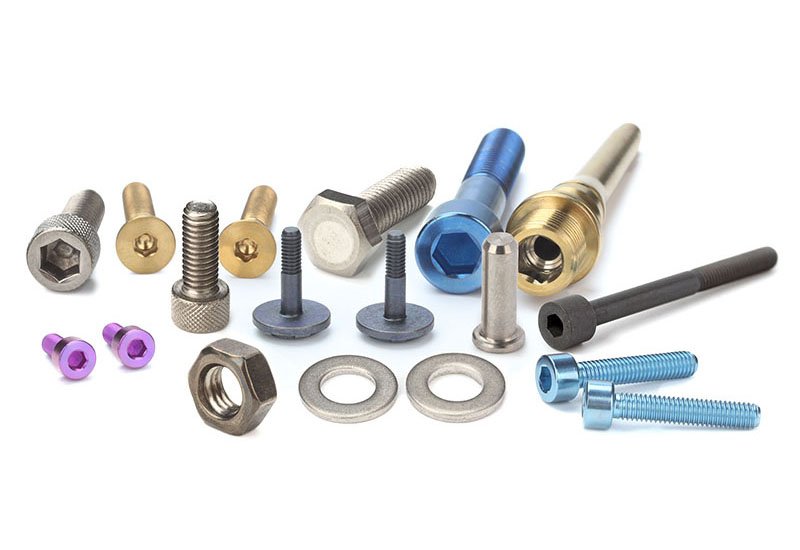
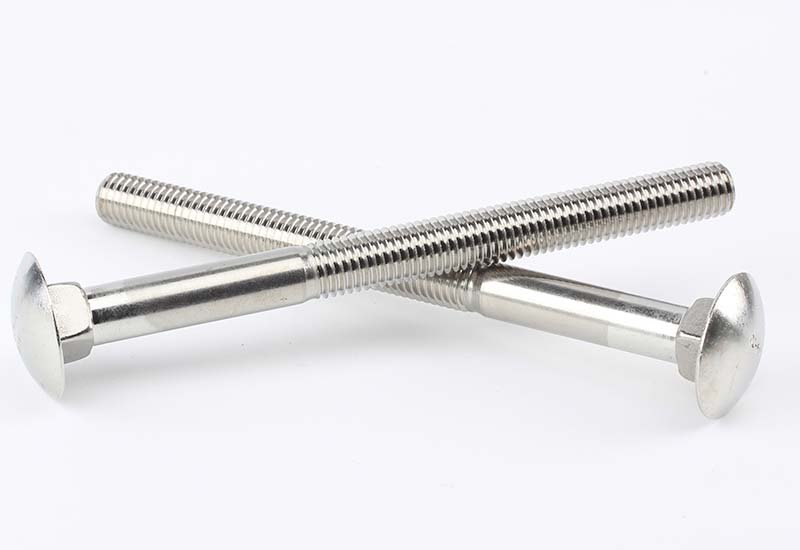
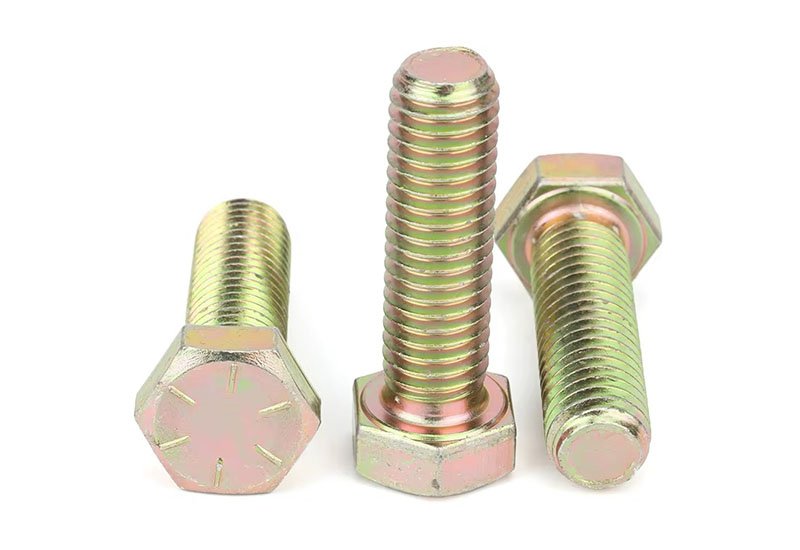
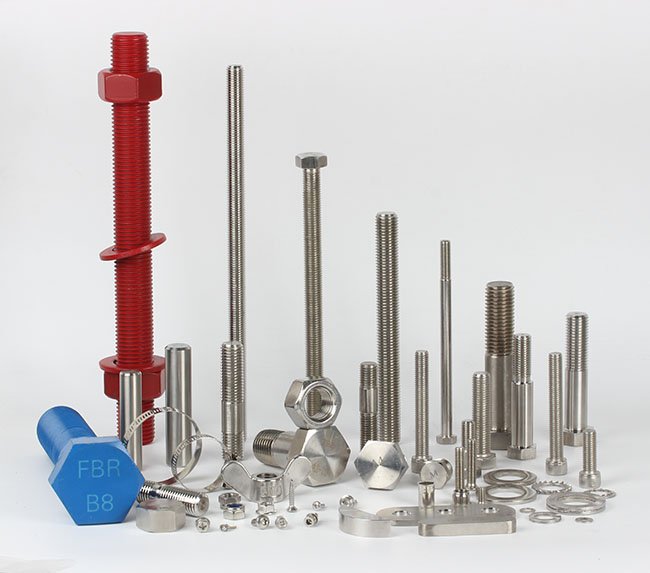
Common items include stainless steel bolts, stainless steel screws, stainless steel nuts, stainless steel washers, threaded rods, studs, and custom-made fastening components for special projects.
Manufacturing Process of Stainless Steel Fasteners
Raw Material Control and Material Selection
Stable product quality starts with proper raw material selection. Manufacturers need to choose suitable stainless steel grades based on the intended application, required strength, and corrosion resistance level.
Consistent Material Input Supports Product Quality
Good material control helps ensure dimensional consistency, mechanical performance, and reliable processing during forming and threading operations.
Cold Forging, Hot Forging, and Machining
Different production methods are used depending on product design, size, and strength requirements. Cold forging is common for many standard fasteners, while hot forging and CNC machining may be used for larger or custom parts.
Process Capability Matters for Precision and Efficiency
Accurate forming, threading, and finishing are important for producing stainless steel fasteners that fit well and perform consistently in industrial use.
Inspection and Quality Control
Reliable stainless steel fastener manufacturing requires inspection throughout the production process. Dimensional checks, thread inspection, and general quality verification help ensure that supplied products meet project requirements.
Quality Systems Improve Supply Consistency
For industrial buyers, working with a manufacturer that emphasizes process control can reduce supply risk and support better batch-to-batch consistency.
Applications of Stainless Steel Fasteners in Industry
Construction and Infrastructure
In buildings, bridges, rail systems, and public infrastructure, stainless steel fasteners are widely used because of their strength and resistance to weather exposure.
Useful for Outdoor Structural Connections
These products help support long-term fastening performance in projects that require durability and reduced maintenance.
Marine and Coastal Equipment
Marine environments are especially demanding because of salt exposure and moisture. Stainless steel fasteners, particularly in more corrosion-resistant grades, are widely used in these applications.
Helps Reduce Rust Risk in Salt-Exposed Areas
This makes stainless steel a practical option for docks, boats, offshore systems, and coastal engineering equipment.
Food Processing and Sanitary Equipment
Stainless steel fasteners are also used in equipment for food production, packaging, and sanitary processing because the material is durable and widely accepted in clean environments.
Supports Hygienic Equipment Design
In these industries, material cleanliness and corrosion resistance are both important factors in fastener selection.
Industrial Machinery and Energy Equipment
From pumps and valves to general factory machinery and energy systems, stainless steel fasteners support secure assembly in equipment that must operate reliably over long periods.
Applicable to General and Specialized Machinery
Their broad usability makes them a core fastening product category in industrial manufacturing.
Why Work with a Professional Stainless Steel Fastener Manufacturer
Factory Capability and Production Experience
For B2B buyers, supplier capability is often just as important as the fastener material itself. A manufacturer with experience in stainless steel production can better support stable supply, technical requirements, and custom specifications.
Supports Standard and Non-Standard Orders
This is especially useful for buyers managing OEM projects, engineering applications, or repeat industrial procurement.
Process Control and Product Consistency
Manufacturing consistency matters in large-volume or application-critical purchases. Suppliers with strong production management can help reduce variation and improve delivery reliability.
Important for Long-Term Purchasing Cooperation
With focus on manufacturing strength, process capability, and quality control, Flybear Fastener supports industrial buyers looking for dependable stainless steel fastener solutions for standard and custom applications.
How to Choose the Right Stainless Steel Fasteners
Select Material Grade Based on Environment
Buyers should first evaluate the service environment, including humidity, outdoor exposure, and chemical contact, before selecting a stainless steel grade.
Material Matching Improves Product Life
Using the correct grade can help avoid unnecessary cost while still meeting corrosion resistance requirements.
Check Product Type, Standard, and Dimensions
Fastener selection should also consider thread type, head style, dimensions, and applicable standards such as DIN or ISO, depending on the project.
Clear Specifications Reduce Sourcing Errors
Accurate technical requirements help suppliers provide more suitable and efficient production support.
Consider Custom Manufacturing Requirements
Some industrial applications require non-standard stainless steel fasteners made to drawings or special processing needs.
Useful for Specialized Equipment and OEM Projects
Choosing a manufacturer with custom production capability can simplify procurement for these more demanding applications.
Conclusion
Stainless steel fasteners remain an essential product category in industrial manufacturing because they offer a dependable balance of corrosion resistance, strength, and long-term value. From construction and marine use to machinery and sanitary equipment, these fasteners support reliable assembly across a wide range of industries. For buyers seeking consistent quality and manufacturing support, working with an experienced stainless steel fastener manufacturer is an important part of successful sourcing.
Follow Me!