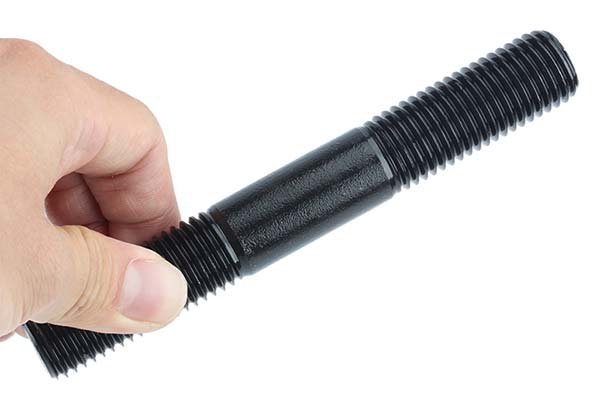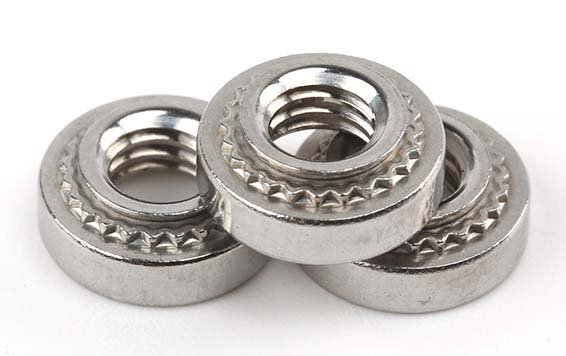
Automotive and New Energy Fasteners: High-Performance Solutions with IATF 16949 Manufacturing
Automotive and new energy fasteners are essential components in modern vehicle and energy system manufacturing. They play an important role in structural connection, vibration resistance, safety, and long-term durability. As the automotive industry continues moving toward electrification, lightweight design, and higher quality requirements, demand for reliable fasteners is increasing across OEM, Tier supplier, and component manufacturing projects. For buyers in these industries, selecting the right fastener manufacturer is closely linked to product quality, assembly efficiency, and supply stability.
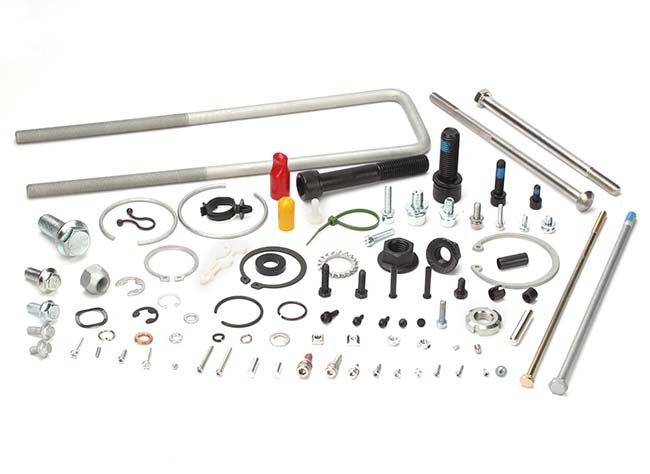
Why Automotive and New Energy Fasteners Matter
High Strength Requirements in Automotive Applications
Automotive fasteners are used in assemblies that must perform under dynamic loads, repeated vibration, and changing operating conditions. In structural parts, chassis systems, and power-related assemblies, the strength and consistency of the fasteners directly affect product reliability.
Reliable Performance Under Repeated Stress
Fasteners used in automotive systems must maintain clamp force and connection stability over long service cycles. This is especially important in components exposed to motion, road vibration, and long-term fatigue conditions.
Corrosion Resistance for Long-Term Durability
Vehicles and energy systems are often exposed to moisture, road salt, chemicals, and temperature changes. Automotive and new energy fasteners therefore need suitable material selection and surface treatment to support long-term performance in demanding environments.
Suitable Coatings Help Extend Service Life
Depending on the application, buyers may require carbon steel, alloy steel, stainless steel, or coated fasteners to improve resistance to corrosion and environmental wear.
Lightweight Demand in EV and New Energy Projects
As electric vehicles and new energy systems continue developing, lightweight design has become more important. Fasteners must support structural needs while also fitting broader design goals related to efficiency, weight reduction, and optimized assembly.
Material and Design Selection Support Lightweight Goals
Manufacturers may provide specialized fastener designs, optimized geometries, or application-specific materials to match lightweight component systems used in EV platforms and energy equipment.
Common Applications of Automotive and New Energy Fasteners
Structural and Chassis Systems
Fasteners are widely used in body structures, chassis assemblies, suspension systems, and general load-bearing areas. These applications require dependable mechanical performance and dimensional consistency.
Important for Safety-Critical Assemblies
In these systems, fastening quality is closely connected to long-term structural security and assembly reliability.
Powertrain and Motor Assemblies
In conventional vehicles, fasteners are used in engines, transmissions, and related systems. In electric vehicles, fastening solutions are also important for motor housings, drive systems, and supporting mechanical structures.
Supports Stable Mechanical Connection
These applications often require precision manufacturing and reliable fastening behavior under continuous operating stress.
Battery Pack and Energy Storage Systems
New energy fasteners are also used in battery modules, battery pack housings, and related energy storage assemblies. In these products, dimensional accuracy, material compatibility, and assembly consistency are especially important.
Useful for Secure Battery System Assembly
Proper fastener selection helps support safe and stable connection in systems where structural control and long-term reliability are critical.
Charging Systems and Outdoor Energy Equipment
Fasteners are used in charging stations, electrical cabinets, support frames, and other new energy infrastructure. These applications may require corrosion resistance, weather durability, and stable mechanical fastening in outdoor conditions.
Supports Indoor and Outdoor Installation Projects
This makes product selection especially important for infrastructure exposed to temperature variation, humidity, and long-term external use.
Types of Automotive and New Energy Fasteners
High Strength Bolts and Screws
Bolts and screws are among the most common products used in automotive manufacturing. They are selected based on load requirements, joint design, material compatibility, and production efficiency.
Widely Used in Structural and Mechanical Systems
These fasteners can be applied in vehicle frames, support brackets, drive systems, and many other industrial assembly points.
Flange Bolts and Locking Fasteners
Automotive assemblies often require fasteners that help reduce the risk of loosening under vibration. Flange bolts and locking designs are commonly used in applications where stability is a priority.
Improves Connection Security in Vibration Conditions
This type of fastening solution is widely used in transportation equipment and other systems subject to repeated movement.
Thread-Forming and Self-Tapping Screws
For lightweight materials, plastic components, and certain interior or secondary assemblies, thread-forming and self-tapping screws are often used to improve assembly efficiency.
Suitable for Modern Lightweight Components
These products help support streamlined manufacturing in applications where speed and compatibility with non-metal materials are important.
Custom Fasteners for EV and New Energy Systems
Many automotive and new energy projects require non-standard fasteners designed for specific dimensions, material needs, or assembly structures. Custom fasteners are especially relevant in battery, electronic, and platform-specific EV applications.
Useful for Drawing-Based Manufacturing Projects
For OEM and Tier suppliers, custom production capability can improve sourcing flexibility and help match exact engineering requirements.
The Importance of IATF 16949 in Automotive Fastener Manufacturing
What IATF 16949 Means for Automotive Suppliers
IATF 16949 is an important quality management standard for the automotive industry. It focuses on process control, defect prevention, risk reduction, and continuous improvement across the manufacturing system.
Supports More Controlled Production Management
For automotive fastener production, this standard reflects a stronger quality framework that helps support consistent output and more reliable process management.
Why IATF 16949 Matters to Buyers
For buyers in automotive and new energy industries, supplier qualification is a major factor in procurement decisions. A manufacturer with IATF 16949 certification is generally better positioned to meet automotive industry expectations for production discipline and quality consistency.
Important for OEM and Tier Supply Chains
This is especially relevant when buyers need suppliers that can support formal quality requirements, batch control, and long-term cooperation in automotive projects.
Process Control, Traceability, and Consistency
Automotive fastener supply requires more than basic production capacity. It also depends on controlled manufacturing processes, inspection management, and traceability support throughout production and delivery.
Helps Reduce Quality Risk in Mass Production
With IATF 16949 certification, Flybear Fastener supports automotive and new energy customers with manufacturing systems designed to meet the higher expectations of the automotive industry.
How to Choose the Right Automotive and New Energy Fasteners
Review the Application Environment
Fastener selection should start with a clear understanding of where and how the product will be used. Load conditions, vibration level, temperature, corrosion exposure, and material compatibility all affect the correct product choice.
Application Analysis Improves Product Matching
Clear working conditions help buyers choose more suitable fastener materials, designs, and surface treatments.
Confirm Standards, Dimensions, and Material Needs
Automotive projects often require precise dimensional control and specific technical standards. Buyers should confirm thread type, size range, material grade, and coating requirements before placing orders.
Clear Specifications Help Reduce Procurement Errors
Accurate technical communication is important for both standard and customized fastener sourcing.
Evaluate the Supplier’s Manufacturing Capability
Production experience, quality systems, and custom development capability are all important when selecting an automotive fastener supplier. Stable supply and controlled production are especially important in long-term projects.
Useful for Ongoing Automotive and EV Programs
A capable manufacturer can better support buyers handling repeat orders, engineering changes, and multi-part sourcing requirements.
Conclusion
Automotive and new energy fasteners are essential for modern vehicle manufacturing, EV systems, and energy infrastructure because they support safety, assembly reliability, and long-term durability. As demand grows for higher quality, better corrosion resistance, and more precise production control, manufacturers with automotive-focused quality systems become increasingly important. For buyers in OEM, Tier supply, and industrial sourcing, choosing a qualified partner with IATF 16949 certification can provide stronger support for both standard and custom fastener requirements.
Follow Me!