PA66 Hex Nuts: Lightweight, Corrosion-Resistant Fastening Solutions
PA66 hex nuts are lightweight non-metallic fasteners designed for assemblies that require electrical insulation, corrosion resistance, reduced weight, and protection for sensitive components. Manufactured from polyamide 66, these nuts use a standard hexagonal shape that allows convenient installation with common hand tools while providing the practical advantages of an engineering plastic.
Compared with conventional steel nuts, PA66 nuts do not rust and do not conduct electricity. They are commonly considered for electrical equipment, electronics, lighting systems, household appliances, communication devices, automotive components, industrial enclosures, and other assemblies where a metallic nut may be unsuitable. However, proper selection depends on the working load, temperature, moisture exposure, thread size, chemical environment, and mating fastener.
What Is a PA66 Hex Nut?
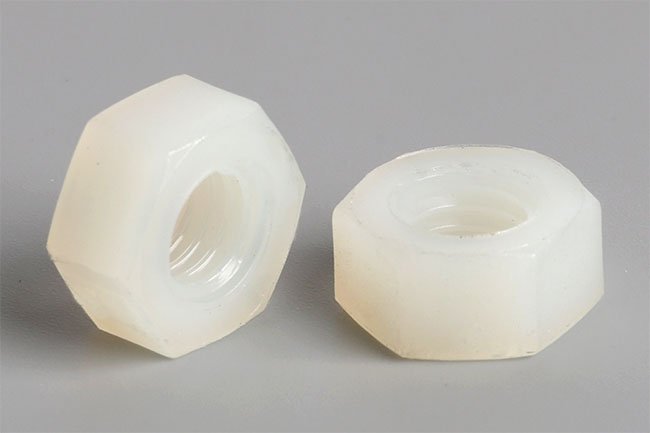
A PA66 hex nut is an internally threaded fastener produced from polyamide 66, which is also widely described as nylon 66. The six-sided outer profile makes the nut compatible with suitable wrenches, sockets, and automated assembly tools. Its internal thread is designed to engage with a matching screw, bolt, or threaded stud.
PA66 is used for fastener production because it offers a useful balance of mechanical strength, wear resistance, electrical insulation, and processing capability. It is especially valuable in applications where the fastener must separate metal components, avoid electrical conductivity, resist corrosion, or reduce the risk of damaging painted and finished surfaces.
Plastic nuts should not be treated as direct replacements for metal nuts in every application. Their performance is influenced by load duration, operating temperature, humidity, installation torque, thread engagement, and the design of the complete joint. Engineers and purchasing teams should evaluate these conditions before approving a PA66 nut for production use.
Key Advantages of PA66 Hex Nuts
One of the main advantages of PA66 hex nuts is corrosion resistance. Because the material does not rust, these nuts can be useful in humid environments, electrical cabinets, light-duty outdoor equipment, and assemblies exposed to occasional moisture. They can also reduce the need for metallic coatings that may otherwise be required on carbon steel fasteners.
Electrical insulation is another important benefit. PA66 nuts can help separate conductive components in electrical and electronic assemblies. This makes them suitable for circuit-related equipment, battery housings, lighting products, instrumentation, and communication devices. The complete insulation design must still account for the mating screw, washers, surrounding materials, and environmental conditions.
The low weight of polyamide fasteners is useful in equipment where total assembly mass must be controlled. PA66 nuts may be selected for portable electronics, transportation components, aerospace-related interior equipment, lightweight panels, and compact machinery. Even small weight reductions can become meaningful when a product contains a large number of fastening points.
PA66 nuts are also less likely than hard metal nuts to scratch decorative surfaces or damage certain plastic components during installation. Their non-magnetic characteristics can be valuable in specialized instruments and electronic assemblies where magnetic interference should be minimized.
PA66 Hex Nuts for Electrical and Electronic Assemblies
PA66 hex nuts are widely considered for electrical and electronic applications because they combine fastening functionality with non-conductive material properties. Typical uses include printed circuit board supports, electrical terminal assemblies, control panels, sensor housings, cable-management systems, power supplies, LED lighting products, and communication equipment.
In these applications, the nut may be paired with a plastic screw to create a fully non-metallic fastening point. It may also be used with a metal screw when only the nut side requires corrosion resistance, surface protection, or electrical separation. The designer should confirm whether the entire joint needs insulation or whether selected components can remain conductive.
Dimensional stability is important in electronic assemblies because limited installation space can make alignment difficult. Consistent internal threads, controlled width across flats, clean surfaces, and minimal molding flash all contribute to efficient assembly. Buyers should therefore include dimensional and appearance requirements in their purchasing specifications.
Material Performance and Application Limits
Although PA66 provides useful mechanical performance for an engineering plastic, it behaves differently from steel, stainless steel, brass, or aluminum. Plastic fasteners can deform under excessive tightening force or sustained load. Installation torque should therefore be controlled according to the product design, thread size, mating material, and application requirements.
Temperature also affects performance. Elevated temperatures can reduce the stiffness and load capability of plastic fasteners, while very low temperatures may influence impact behavior. Buyers should provide the expected operating temperature range when requesting a quotation, especially for automotive, industrial, outdoor, or appliance applications.
Moisture absorption is another factor to consider with polyamide materials. Changes in moisture content can affect dimensions and mechanical behavior. For this reason, storage conditions, application environment, and dimensional tolerances should be reviewed when the nut will be used in a precision assembly.
Chemical resistance should be evaluated based on the actual substances present in the application. Oils, cleaning agents, fuels, solvents, acids, alkalis, and other chemicals may affect polymer fasteners differently. Application testing is recommended when long-term chemical exposure is expected.
Thread Sizes and Dimensional Requirements
PA66 hex nuts can be produced in a range of metric thread sizes for use with standard screws, bolts, and studs. A complete inquiry should specify the nominal thread diameter, thread pitch, nut dimensions, material grade, color, quantity, and any applicable standard or drawing.
Important dimensions include the thread profile, width across flats, overall height, bearing surface, and corner geometry. Thread quality is particularly important because incomplete molding, flash, or deformation can make installation difficult. The nut should engage smoothly with the mating fastener without excessive looseness or resistance.
Buyers should also state whether the nut will be assembled manually or with automated equipment. Automated assembly may require tighter control of dimensions, feeding orientation, surface consistency, and packaging. Samples can be tested in the actual assembly process before mass production begins.
Manufacturing PA66 Plastic Hex Nuts
PA66 plastic hex nuts are commonly manufactured through an injection molding process. Production begins with material preparation and mold setup, followed by molding, cooling, part removal, and inspection. Mold design and process control influence thread accuracy, surface quality, dimensional consistency, and the amount of flash around the finished part.
Material handling is an important part of production because moisture content can affect the molding process and final component quality. Suitable preparation procedures help support consistent filling, surface appearance, and dimensional results. The manufacturing process should also control temperature, pressure, cooling time, and part removal to reduce deformation.
At Flybear Fastener, product evaluation can be based on the required thread, dimensions, application, material specification, color, packaging, and inspection expectations. Standard products may be suitable for common applications, while custom plastic nuts can be developed according to customer drawings or assembly requirements.
Quality Control for PA66 Hex Nuts
Quality control for PA66 hex nuts should focus on both dimensional conformity and assembly performance. Typical inspection items may include thread fit, nut height, width across flats, surface condition, molding flash, color consistency, deformation, and visible defects.
Thread inspection can be performed with suitable gauges or mating fasteners according to the agreed specification. Dimensional checks help confirm compatibility with wrenches, sockets, assembly fixtures, and surrounding components. Visual inspection can identify incomplete filling, excessive flash, contamination, burn marks, and surface damage.
For customized projects, first-article samples are useful for confirming fit and function. Buyers can test the nuts with actual screws, installation tools, housings, washers, and assembly procedures. This helps identify potential issues before the production quantity is released.
Inspection requirements should be agreed upon during the quotation stage. Purchasing teams should specify critical dimensions, sampling expectations, packaging method, labeling requirements, and any requested documentation. Clear technical information supports more consistent production and reduces the risk of receiving unsuitable components.
Standard and Custom PA66 Nut Options
Standard PA66 nuts are suitable for many general electrical, electronic, appliance, and light industrial applications. Custom production may be required when the assembly uses a special thread, non-standard height, enlarged bearing surface, reduced hex size, special color, integrated flange, or unique external geometry.
Custom color requirements should be discussed carefully because color can be used for product identification, assembly control, or branding. Black and natural-colored plastic fasteners are common, but other options may be evaluated based on quantity, material availability, and production requirements.
Buyers should submit a technical drawing whenever the design differs from a recognized standard. The drawing should identify the thread, dimensions, tolerances, material, color, surface requirements, and critical inspection features. Providing an application sample or mating component can further improve manufacturing evaluation.
How to Source PA66 Hex Nuts
When sourcing PA66 hex nuts, purchasing managers should compare more than the unit price. Important factors include material identification, thread accuracy, molding quality, dimensional consistency, customization capability, inspection procedures, packaging, and production communication.
A complete request for quotation should include the thread size, required quantity, material description, color, drawing or standard, application environment, operating temperature, mating fastener, packaging preference, and inspection requirements. These details allow the manufacturer to evaluate whether a standard product is suitable or whether a custom solution is needed.
PA66 hex nuts provide a practical fastening choice for assemblies that require low weight, corrosion resistance, electrical insulation, and protection for sensitive surfaces. By evaluating load, temperature, moisture, chemicals, dimensions, and installation conditions, buyers can select plastic hex nuts that meet both technical and procurement requirements.
Follow Me!