ASTM F436 Type 1 vs Type 3 Washers: Selection, Compatibility and Coating
ASTM F436 Type 1 vs Type 3 is primarily a material-selection question, but industrial buyers should not stop at “carbon steel versus weathering steel.” The correct hardened washer must also fit the structural bolting system, nominal size, hole condition, washer style, coating or finish, installation method, mating materials, and project specification. A washer that has the right inside diameter but the wrong type, style, or finish can create a nonconforming fastener assembly.
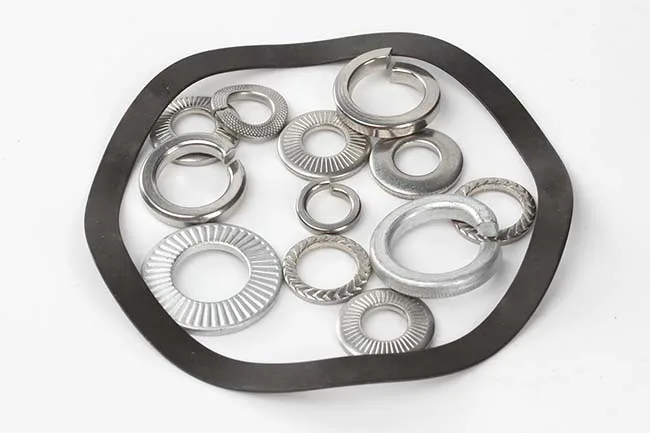
ASTM F436/F436M covers hardened steel washers for general-purpose mechanical and structural use with bolts, nuts, studs, and other threaded fasteners. In the current standard, Type 1 identifies carbon steel washers and Type 3 identifies weathering steel washers. For procurement, that distinction should be treated as part of the complete bolting callout rather than as a cosmetic choice.
ASTM F436 Type 1 vs Type 3 at a Glance
| Selection Point | ASTM F436 Type 1 | ASTM F436 Type 3 |
|---|---|---|
| Material family | Carbon steel | Weathering steel |
| Typical selection direction | General mechanical and structural bolting where a carbon-steel hardened washer is specified | Weathering-steel bolting systems and structures where Type 3 material compatibility is required |
| Bolting compatibility | Verify against the specified bolt, nut, structural connection standard, and project documents | Verify that the bolt, nut, washer, and connected material are intended to form a weathering-steel system |
| Coating or finish | Do not infer finish from “Type 1”; specify the required coating or plain finish separately | Do not treat “Type 3” as a coating designation; verify whether the project requires an uncoated weathering system or another approved finish |
| Buyer risk | Ordering only “F436 washer” can leave type, style, dimensions, and finish undefined | Substituting Type 1 into a Type 3 weathering assembly can defeat the intended material-system selection |
The key procurement principle is simple: washer type describes material, while washer style describes geometry. Finish is another separate purchasing requirement. These three decisions should not be collapsed into one line item.
What ASTM F436/F436M Covers
The active ASTM F436/F436M specification establishes chemical, mechanical, and dimensional requirements for hardened steel washers. Its scope covers inch and metric dimensions for use with several classes of threaded fasteners used in mechanical and structural applications. The standard also distinguishes washer styles, including circular, beveled, clipped, and extra-thick configurations.
That matters because a buyer may correctly specify “F436 Type 1” and still receive the wrong geometry for the connection if the style is not defined. A circular washer may be appropriate where sufficient bearing area and clearance exist. A beveled washer is intended for applications where the bearing surface requires the specified bevel geometry. A clipped washer addresses restricted clearance, while an extra-thick washer may be required in specific structural-hole conditions. The governing structural design and installation specification should determine which style is acceptable.
For Flybear product sourcing, buyers can review the ASTM fastener range for bolts, studs, nuts, and washers that may form part of the required assembly.
When to Select ASTM F436 Type 1 Washers
Type 1 is the carbon-steel material designation within ASTM F436/F436M. It is commonly considered when the specified structural fastener system uses carbon or alloy steel components and the project does not require a Type 3 weathering-steel washer.
However, “Type 1” does not by itself answer every procurement question. Buyers still need to confirm the required washer style, inch or metric series, nominal size, outside diameter and thickness requirements, finish, and any supplementary inspection or documentation requirements. The companion bolt and nut specifications also matter because structural bolting is purchased and installed as a system.
For broader sourcing of related components, the carbon steel and alloy steel fastener category can help buyers identify mating bolts, nuts, studs, and washer products for project review.
When to Select ASTM F436 Type 3 Washers
Type 3 is the weathering-steel material designation. It is selected where the project calls for weathering-steel fasteners and compatible connection components. In an uncoated weathering-steel structure, the objective is not merely to install a washer that “looks similar” to the connected steel. The washer, bolt, nut, and structural material should be reviewed as a compatible corrosion-performance system under the project specification.
This is especially relevant for bridges, towers, industrial frames, outdoor equipment, and some renewable-energy structures where weather exposure is a major design input. Weathering steel is not automatically suitable for every outdoor or coastal environment, so the material decision should come from the structural or corrosion design rather than from a generic “outdoor use” rule.
For energy-related applications, buyers can also review Flybear’s solar and wind energy fastener solutions to see the broader factors that affect fastener selection in exposed installations.
Structural Bolting Washer Compatibility: Match the Whole Assembly
Match Washer Type to the Bolt and Nut System
High-strength structural connections should be specified as a complete assembly. The bolt standard and grade or type, nut standard and grade, washer type and style, finish, and installation requirements must agree with the governing structural documents. ASTM F436/F436M lists several fastener specifications within its intended scope, but that does not mean every F436 washer type is interchangeable with every bolt.
For weathering-steel bolting, the material designation of the washer deserves particular attention. If the project specifies Type 3 structural bolts and weathering-compatible nuts, the washer callout should be checked for the corresponding Type 3 requirement rather than defaulting to the more common Type 1.
Match the Washer to the Hole and Bearing Condition
The washer is part of the bearing interface under the bolt head or nut. Hole geometry, slotting, oversize holes, surface slope, edge clearance, and the element that is turned during installation can influence the required washer arrangement. Structural codes and project drawings may require a hardened washer, extra-thick washer, plate washer, beveled washer, or another configuration depending on the connection.
Do not substitute washer styles only because the inside diameter fits the bolt. The outside diameter, thickness, bearing surface, and shape can be functionally important to the connection.
Keep Inch and Metric Requirements Separate
ASTM F436/F436M contains both inch and metric dimensional systems, but they should be ordered according to the applicable system rather than mixed by approximate conversion. The purchase order should state the nominal fastener size and the required dimensional series clearly. For drawing-controlled equipment, include the drawing and tolerance requirements with the RFQ.
Coating and Finish: Type 1 and Type 3 Are Not Coating Names
One of the most common purchasing errors is assuming that Type 1 means “galvanized” or that Type 3 means “rust-colored.” Neither assumption is technically sufficient. The ASTM type identifies the washer material family. The surface condition or coating must be specified separately and checked against the complete fastener assembly and the governing project requirements.
For Type 1 Washers
If a zinc-based coating, another protective finish, or a plain condition is required, state it explicitly. The selected finish should be compatible with the bolt and nut finish and with the installation procedure. Surface treatments can affect corrosion behavior, bearing friction, assembly consistency, and inspection, so buyers should avoid mixing finishes across an approved structural bolting set without technical review.
For Type 3 Washers
Type 3 is often associated with uncoated weathering-steel systems, but buyers should still follow the project specification. Do not add a coating simply because the site is outdoors, and do not remove a specified protective system because the washer is Type 3. The designer may be managing corrosion through weathering-steel compatibility, a coating system, detailing, drainage, or a combination of measures.
The practical RFQ rule is to separate the callout into ASTM specification + washer type + washer style + size + finish. This prevents the material designation from being mistaken for a surface-treatment instruction.
Dimensions and Washer Styles Buyers Must Verify
F436 washer procurement often fails at the dimensional level because buyers send only the bolt diameter. A complete order should identify whether the washer is circular, beveled, clipped, or extra thick where applicable, along with the nominal fastener size and dimensional system.
- Circular washers: commonly used where adequate clearance and suitable bearing geometry exist.
- Beveled washers: used where the specified sloped bearing surface requires the standard bevel configuration.
- Clipped washers: considered where space limitations prevent use of the full washer profile.
- Extra-thick washers: used for specific structural applications where the governing connection requirement calls for increased washer thickness.
For replacement or maintenance work, measure the existing assembly but do not rely on reverse engineering alone. Existing components may not reflect the latest drawing, project specification, or approved repair procedure.
Inspection and Traceability for F436 Washer Orders
Because ASTM F436/F436M contains chemical, mechanical, and dimensional requirements, acceptance should be tied to the purchase specification rather than visual appearance. Depending on the order, buyers may require dimensional verification, hardness or other specified testing, material traceability, coating verification, and agreed documentation.
Flybear can support order-defined inspection and traceability requirements for fastener projects. For washer orders, dimensional checks should confirm the specified geometry; for companion bolts and nuts, thread inspection may also be part of the package. Buyers can review the fastener quality inspection page when preparing their inspection requirements.
When a complete bolt-nut-washer package is required, manufacturing routes for the companion fasteners may include hot forging, cold heading, CNC machining, and thread rolling where applicable to the product, material, size, and governing specification. The manufacturing route should support—not replace—the final specification requirements.
Common ASTM F436 Procurement Mistakes
- Ordering only “F436 washer”: type, style, size system, and finish may remain unclear.
- Using Type 1 and Type 3 interchangeably: the two types represent different material families.
- Treating Type 3 as a coating: weathering steel is a material designation, not a substitute for a finish callout.
- Ignoring the mating bolt and nut: structural bolting compatibility must be checked as an assembly.
- Choosing washer geometry by diameter alone: hole condition, bearing surface, slope, and clearance can change the required style.
- Mixing inch and metric dimensions: approximate conversions should not replace the specified dimensional system.
- Changing finish after approval: coating changes should be reviewed against the assembly, installation procedure, and project documents.
What to Include in an F436 Washer RFQ
To reduce technical clarification and prevent substitution errors, send the following information with your request:
- ASTM F436/F436M washer requirement and applicable edition if project-controlled
- Type 1 or Type 3
- Washer style: circular, beveled, clipped, extra thick, or drawing-defined
- Nominal bolt or stud size and inch or metric dimensional system
- Structural bolt standard, grade, and type
- Nut standard and grade
- Connected material or structural steel requirement
- Coating, finish, or plain condition
- Outdoor, industrial, marine-adjacent, or other relevant exposure information
- Quantity, drawings, packaging requirements, and required documentation
- Inspection, testing, traceability, or marking requirements specified by the project
FAQ: ASTM F436 Type 1 vs Type 3
What is the main difference between F436 Type 1 and Type 3 washers?
Type 1 is carbon steel, while Type 3 is weathering steel. The correct choice depends on the specified bolting system, connected material, corrosion strategy, and project requirements.
Can Type 1 washers be used with weathering steel bolts?
Do not assume they can. If the connection is specified as a weathering-steel bolting system, verify the required washer type against the structural design documents and governing specification. A Type 3 washer may be required to maintain the intended material compatibility.
Does F436 Type 3 mean the washer is coated?
No. Type 3 identifies the weathering-steel material family. Coating or finish is a separate requirement and should be stated independently on the purchase order.
Are all F436 washers standard round flat washers?
No. ASTM F436/F436M includes multiple washer styles. Circular washers are only one option; beveled, clipped, and extra-thick styles may be required depending on connection geometry and the governing structural requirements.
Send the Complete Washer and Bolting Callout for Review
For a quotation or technical review, send Flybear the ASTM F436/F436M washer type, style, size, companion structural bolt standard and grade, nut requirement, connected material, coating or finish, application environment, quantity, drawings, and required inspection or documentation. Use the Flybear contact page to submit the RFQ package. Defining the complete bolt-nut-washer system at the inquiry stage helps reduce material mismatches, finish substitutions, and dimensional clarification before production.
Follow Me!