ASTM Bolt and Nut Compatibility Chart: What Industrial Buyers Must Verify
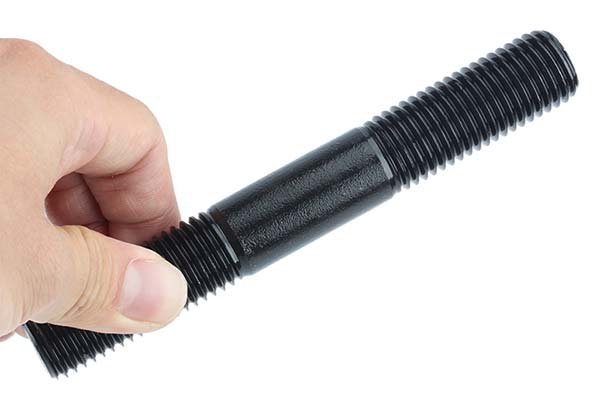
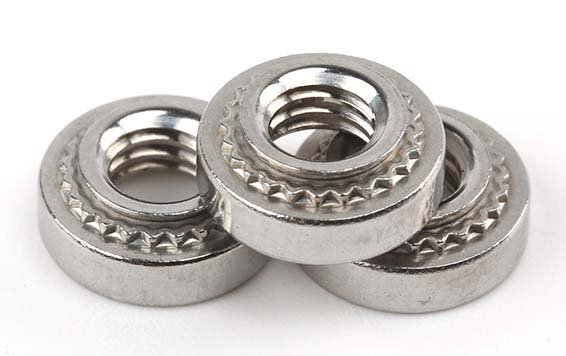
ASTM bolt and nut compatibility is not determined by diameter alone or by choosing a nut that threads onto a stud. In pressure vessels, petrochemical piping, valves, and flange joints, buyers must verify the bolting specification, bolt or stud grade, nut specification and grade, thread system, size, service conditions, coating, governing code, and project documentation as one assembly. A familiar pairing can be a useful procurement starting point, but it is not a universal approval table.
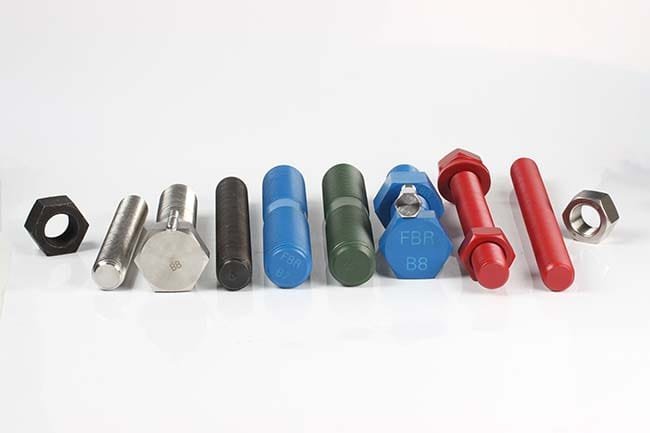
ASTM A193 covers alloy-steel and stainless-steel bolting for high-temperature, high-pressure, and other special-purpose applications. ASTM A194 covers carbon, alloy, and stainless-steel nuts intended for high-pressure or high-temperature service. ASTM A320 addresses bolting for low-temperature service, while ASTM A453 covers special high-temperature bolting materials. These specifications overlap in industrial pressure equipment, but their grades are not interchangeable simply because nominal dimensions match.
ASTM Bolt and Nut Compatibility Starts with the Governing Documents
The first purchasing question should be: which specification and edition control the joint? A flange drawing, piping material class, valve specification, pressure-vessel document, ASME requirement, or project purchase specification may define the permitted bolting combination. ASME B16.5, for example, includes requirements and recommendations related to flange bolting, but the final procurement package can contain additional owner, EPC, or equipment-manufacturer requirements.
This is why a compatibility chart should be treated as a screening tool. It helps procurement teams identify combinations that deserve review, but it cannot replace the project-approved material class or engineering specification. Buyers who are still selecting the stud material should first review ASTM stud bolt grade selection for ASME flange joints.
ASTM Stud Bolt and Nut Pairing: Practical Screening Chart
The table below shows common procurement directions and the checks that should follow. It intentionally avoids presenting any combination as automatically approved for every temperature, size, coating, or service environment.
| Bolting Callout | Common Nut Direction to Screen | What the Buyer Must Verify |
|---|---|---|
| ASTM A193 Grade B7 | ASTM A194 Grade 2H is a common industrial pairing | Diameter, thread series, service temperature, flange or equipment specification, coating, and required documentation |
| ASTM A193 Grade B7M | ASTM A194 Grade 2HM is a common controlled-hardness pairing | Project hardness restrictions, sour-service requirements where applicable, size, coating, and purchaser-specific rules |
| ASTM A193 Grade B8 | Compatible ASTM A194 austenitic stainless nut grade as specified | Exact nut grade, bolting class or condition, diameter, thread, corrosion environment, and project specification |
| ASTM A193 Grade B8M | Compatible ASTM A194 molybdenum-bearing stainless nut grade as specified | Exact nut grade, bolting class or condition, chloride/process exposure, size, thread, and project specification |
| ASTM A320 Grade L7 | ASTM A194 nut grade approved for the low-temperature bolting system | Design minimum temperature, required impact qualification, diameter, thread, coating, and project material class |
| ASTM A453 bolting such as Grade 660 | Nut specification and grade must follow the equipment or project requirement | Do not assume that an A194 nut is automatically required; verify the complete A453 grade/class and the approved mating component |
For B7 versus B7M applications, the distinction is especially important because controlled-hardness requirements can change both the stud and nut callout. Buyers can review the more focused guide on ASTM A193 B7 vs B7M. Stainless systems also require more than a simple 304-versus-316 comparison; see ASTM A193 B8 vs B8M for the corrosion-selection context.
Seven Compatibility Checks Before Releasing a Purchase Order
1. Confirm Both Material Specifications and Grades
Do not write only “B7 stud with matching nut” or “stainless stud with stainless nut.” The RFQ should state the complete bolt or stud specification and grade and the complete nut specification and grade. A material family does not automatically define the mechanical condition, hardness controls, or supplementary requirements needed by the project.
2. Check Diameter, Thread Series, Pitch, and Fit
Matching nominal diameter is only the beginning. The external and internal threads must use the same required series and pitch, and the required class of fit must be consistent with the governing dimensional standard or project drawing. A coating can also affect thread fit, so finish requirements should be considered before the nut and stud are released for production.
3. Review Size-Dependent Grade Requirements
ASTM bolting and nut specifications can apply different mechanical or processing requirements according to diameter, material grade, or condition. Procurement should therefore avoid copying a grade pairing from another size without checking the applicable specification. For stainless bolting, the ordered class or condition can be particularly important when strength requirements change with product size.
4. Verify Temperature and Service Environment
A193, A320, and A453 are not simply three strength levels. They address different service needs. High-temperature or high-pressure service, low-temperature toughness, corrosion exposure, and specialized elevated-temperature behavior can lead to different material selections. The nut must remain compatible with the approved bolting system under the same project-defined service conditions.
5. Treat Coating and Lubrication as Part of the Assembly
Coating is not only a corrosion-control choice. Surface condition can affect thread engagement, friction, tightening behavior, and inspection requirements. Changing from plain to plated, galvanized, fluoropolymer-type, or another engineered finish should be reviewed against the approved bolting procedure and project specification rather than treated as a purchasing substitution.
6. Check the Governing ASME or Project Requirement
An ASTM grade establishes material and mechanical requirements, but it does not by itself approve a bolt-and-nut combination for every flange joint. The applicable ASME flange standard, piping or equipment code, material class, valve specification, customer drawing, and project notes may impose additional restrictions. Pressure class by itself is not enough to select the stud and nut pair.
7. Define Inspection and Traceability Before Production
The purchase order should state the inspection and documentation package required for acceptance. Depending on the project, this may include dimensional and thread inspection, order-defined testing, material identification, traceability records, or other agreed documentation. Buyers can review Flybear’s fastener quality inspection page when defining the required inspection scope.
Why “Same Strength” Does Not Mean “Compatible”
Compatibility is a system decision, not a comparison of two headline strength values. A nut must engage the required thread, satisfy its own specification, and support the intended bolted-joint design without creating a mismatch in material condition, hardness, corrosion behavior, or service qualification. Two parts may look dimensionally interchangeable while still being nonconforming to the purchase specification.
For example, substituting a standard B7/2H package for a controlled-hardness B7M/2HM requirement can create a specification problem even when the dimensions are identical. Likewise, using an undefined stainless nut with B8 or B8M bolting can leave the purchaser without a verified nut grade, condition, or documentation basis. The correct approach is to preserve the full callout through sourcing, manufacturing, inspection, and final certification.
What an RFQ Should Include for A193/A194 Compatibility
A precise RFQ reduces technical clarification and makes supplier review more efficient. For ASTM A193/A194 compatibility, A320 low-temperature bolting, or A453 high-temperature bolting, include the following:
- Bolt or stud product type and governing ASTM specification
- Full bolt or stud grade, class, or condition where applicable
- Nominal diameter, length, thread series, pitch or TPI, and required fit
- Nut specification, grade, style, and dimensional requirement
- Washer requirement, if part of the assembly
- Coating, plating, lubrication, or plain finish requirement
- Operating or design temperature and relevant service environment
- Applicable ASME standard, equipment specification, material class, or project code
- Quantity and any drawing-controlled features
- Required inspection, testing, traceability, marking, and documentation
Flybear supplies ASTM and drawing-based bolts, studs, rods, nuts, and washers for industrial applications. Manufacturing routes can include hot forging, cold heading, CNC machining, and thread rolling where applicable to the product and specification. Buyers can review the ASTM fastener range before submitting the final technical package.
Common Procurement Mistakes with Flange Bolting Nuts
- Ordering “matching nuts” without a grade: this transfers an engineering decision into purchasing ambiguity.
- Checking only diameter and TPI: material grade, fit, class or condition, finish, and service requirements can still be wrong.
- Using a pressure bolting chart as an approval table: charts are useful for screening, not final code compliance.
- Changing coatings after the pair is approved: surface changes can affect thread fit and the tightening system.
- Ignoring the standard edition: project documents may call for a specific edition that should be preserved in the purchase order.
- Assuming the bolt specification also defines the nut: the nut normally requires its own specification, grade, dimensional basis, and inspection requirements.
FAQ: ASTM Bolt and Nut Compatibility
Can ASTM A193 B7 studs always use ASTM A194 2H nuts?
B7 with 2H is a common industrial combination, but it should not be treated as universally approved. Verify the applicable standard edition, stud diameter, thread, service conditions, coating, flange or equipment specification, and project requirements before release.
Is A194 2HM automatically required with A193 B7M?
2HM is a common pairing direction for controlled-hardness B7M bolting, but the project specification remains controlling. Sour-service, hardness, coating, inspection, and documentation requirements should be reviewed as a complete package.
Can I choose the nut by flange pressure class alone?
No. Pressure class is only one input. Temperature, flange material, process environment, bolting specification, nut grade, gasket and joint requirements, coating, and the governing project documents can all affect the final selection.
Does a compatibility chart replace engineering approval?
No. A pressure bolting chart can identify combinations that are commonly evaluated, but final compatibility must be confirmed against the governing ASTM and ASME requirements, equipment documents, and project specification.
Send the Complete Bolting Package for Review
For a quotation or technical review, send Flybear the bolt or stud specification and grade, diameter, length and thread, nut specification and grade, service temperature, coating or lubrication requirement, quantity, governing code or drawing, and required certificates or inspection documents. Use the Flybear RFQ contact page to submit the package. A complete callout allows the requested stud-and-nut combination to be reviewed against the order requirements without relying on a generic compatibility assumption.
Follow Me!